
Motivation Letter & CV Writing Guide
A strong motivation letter and a clear, well-structured CV can significantly influence the success of your German university application. While grades and certificates matter, your written documents show your academic goals, professional direction, and readiness for the program. This guide explains what German universities expect, how to structure both documents, and how to present yourself effectively.
What Universities Expect
German universities want applications that are:
• concise and factual
• academically focused
• logically structured
• clear about your goals
• honest and realistic
Emotional storytelling or dramatic personal history is not necessary. German admissions committees prefer clarity over creativity.

Motivation Letter: Purpose and Tone
The motivation letter answers three questions:
1. Why this program?
2. Why you are a good fit?
3. How this program fits your future goals?
The tone should be:
• professional
• structured
• academic
• confident but not exaggerated
Avoid overly emotional or poetic expressions.
Motivation Letter Structure (Recommended)
A strong motivation letter usually follows this structure:
1) Introduction (brief)
State who you are, your academic background, and what program you are applying for.
2) Why this field?
Explain the academic or professional reasons that led you to this major—not childhood stories.
3) Academic background
Highlight relevant courses, research, internships, or projects that prepared you for the program.
4) Why this university/program?
Show that you’ve read the curriculum:
mention modules, teaching approaches, labs, or specializations.
5) Career goals
Explain how the program helps you reach your long-term academic or professional plans.
6) Conclusion
Restate your motivation and thank the committee.

What to Include (and What to Avoid)
Include:
• specific academic interests
• skills relevant to the program
• research experience
• internships or project work
• clear career direction
Avoid:
• clichés (“I have dreamed of studying abroad since childhood…”)
• unrelated personal stories
• overly emotional writing
• generic statements that fit any university
A motivation letter should be 1 page (max 1.5 pages).
CV (Lebenslauf): German Style
A German CV is very different from typical American or Asian CVs.
It is more structured, factual, and visually simple.
Format Basics
• 1–2 pages
• chronological or reverse-chronological
• clear sections
• dates in MM/YYYY – MM/YYYY format
• no long paragraphs
Common sections:
1. Personal Information
2. Education
3. Work Experience / Internships
4. Skills (languages, software, technical skills)
5. Projects or academic activities
6. Awards or certificates
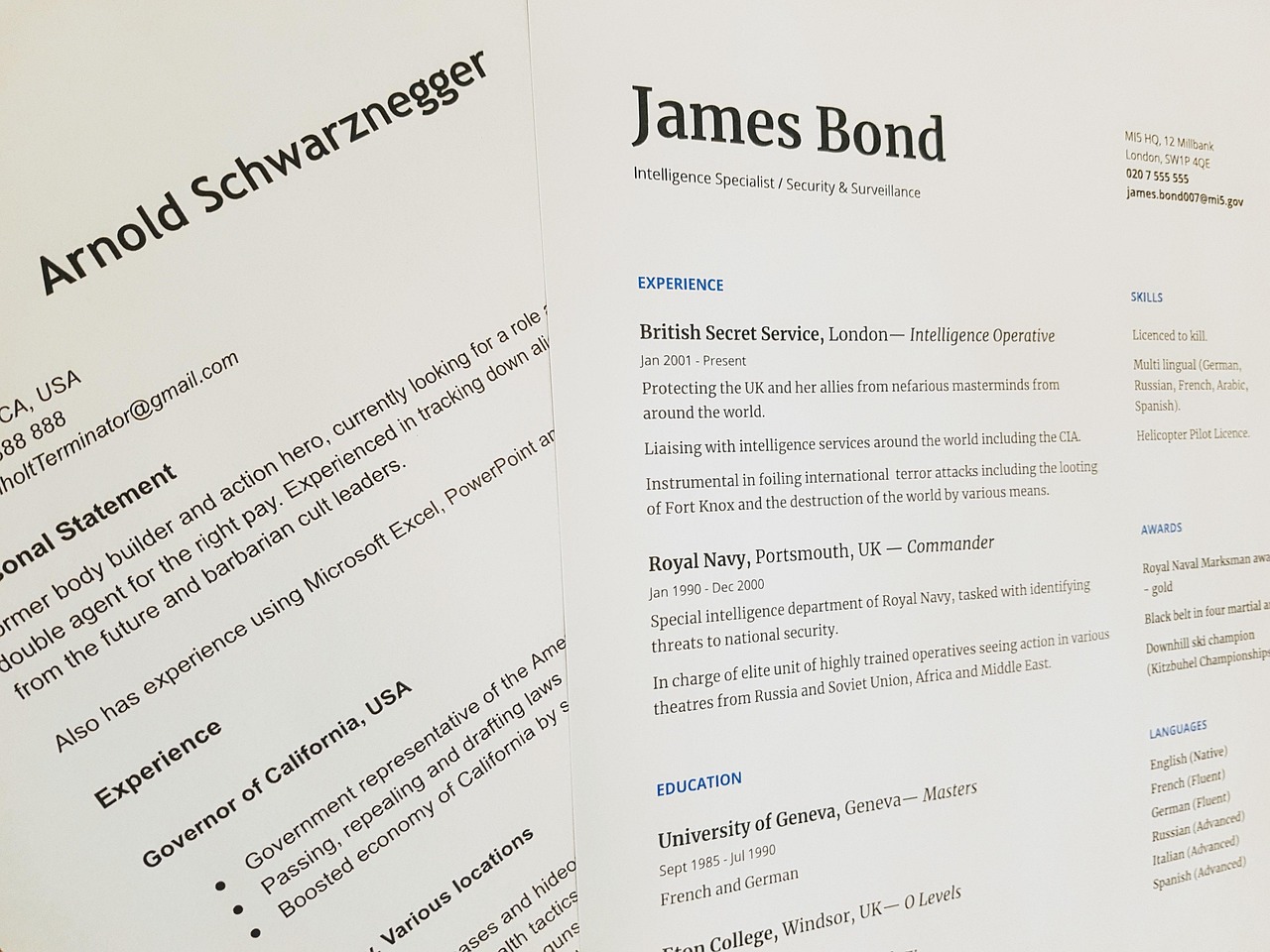
Personal Information (What You Need to Include)
German CVs usually include:
• full name
• email
• phone number
• address (optional but common)
A photo is not required, unless specifically listed by the program.
Education Section (Most Important Part)
List:
• degree name
• institution
• dates
• GPA (if required)
• relevant coursework
If you’re applying for a Master’s, highlight Bachelor modules that directly relate to your chosen field.
Work Experience / Internships
Include only relevant experience:
• internships
• student assistant jobs
• part-time jobs related to your field
• research assistant roles
• volunteering (if relevant)
Focus on responsibilities that show skills needed for your program.
Skills Section
Common items:
• programming languages
• lab skills
• language skills
• software (Excel, SPSS, AutoCAD, MATLAB, etc.)
Do not list skills like “Teamwork” or “Communication” unless required—German CVs avoid generic soft skills.
Common Mistakes to Avoid
Motivation Letter Mistakes
• too long
• too emotional
• unclear academic goals
• copy-paste letters used for all universities
• repeating your CV instead of analyzing your experience
CV Mistakes
• unstructured layout
• paragraphs instead of bullet points
• missing dates
• unrelated high school activities
• messy formatting

Why Language Certificates Matter
German universities require language certificates to confirm that you can follow lectures, write essays, and participate in seminars. Without an accepted certificate, your application will be rejected—even if the rest of your documents are perfect.
Final Tips
• Keep your tone academic and professional
• Follow clear structure
• Proofread carefully for grammar
• Customize your motivation letter for each program
• Keep your CV clean, simple, and factual
A strong motivation letter explains your academic direction, while a well-structured CV helps the admissions committee understand your background in seconds. Together, they significantly increase your chances of being admitted.