Mini-jobs and part-time jobs are common ways for students to earn income in Germany, but the rules, tax treatment, and insurance implications differ significantly—especially for international students. This guide explains how mini-jobs work, when part-time employment makes more sense, and how both compare to Werkstudent positions, so you can choose correctly and avoid legal or insurance problems.
What Is a Mini-Job?
A mini-job is a form of marginal employment designed for low monthly earnings.
Core features:
• Monthly earnings limit: €538 (as of 2024, adjusted with minimum wage changes)
• Working hours: flexible, determined by hourly wage
• Contract type: employee (not freelance)
Mini-jobs are popular among students because they are easy to start and involve minimal deductions.

Mini-Job Salary & Tax Rules
How Taxes Work
• Mini-jobs are usually tax-free for employees
• Employers pay a lump-sum tax and social contributions
• You typically do not file income tax for mini-job income alone
Important:
If you combine a mini-job with other employment, tax and social security rules can change.
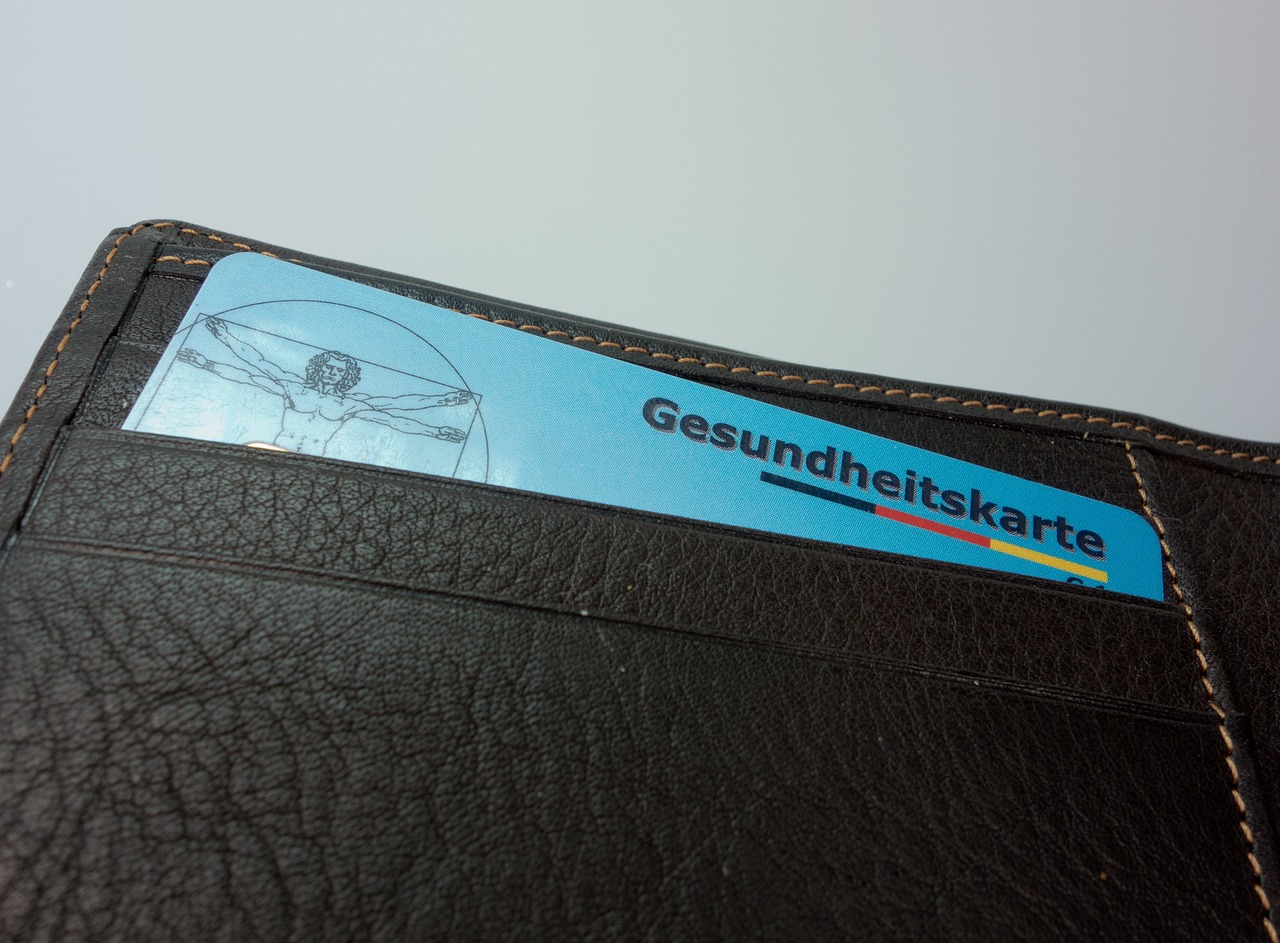
Health Insurance Implications
For Students with Statutory Student Insurance
• Mini-jobs do not affect student health insurance status
• Contributions remain unchanged
When Problems Arise
You may lose student insurance if you:
• Earn too much from combined jobs
• Work more than 20 hours per week during the semester (see below)
Health insurance issues are one of the most common hidden risks of casual employment.
Part-Time Jobs
A part-time job exceeds mini-job limits and is treated as regular employment.
Typical features:
• Monthly income above €538
• Standard tax deductions apply
• Full social security contributions (with student exceptions)
Working Hours Rule for Students
• Maximum 20 hours per week during the semester
• Exceeding this can:
• End student status
• Trigger full insurance contributions
During semester breaks, higher working hours are usually permitted for limited periods.
Mini-Job vs Part-Time vs Werkstudent
Mini-Job
• Low income, low bureaucracy
• No career relevance required
• Good for basic living expenses
Part-Time Job
• Higher income
• More taxes and deductions
• Can still be unrelated to your studies
Werkstudent
• Study-related work
• Special social security treatment
• Strong career value
Key distinction:
Mini-jobs and part-time jobs are income-oriented. Werkstudent roles are career-oriented.
Rules for International Students (Non-EU / Non-EEA)
International students are subject to residence permit limits, regardless of job type.
Standard rule:
• 140 full days or 280 half days per year, or
• Up to 20 hours per week during the semester
Important clarifications:
• Mini-jobs count toward these limits
• Part-time jobs count toward these limits
• Self-employment is usually not allowed
Always check:
• Residence permit wording
• Zusatzblatt (additional conditions)
Common Mistakes to Avoid
Assuming Mini-Jobs Are “Always Safe”
They are safe only if you respect:
• Income limits
• Hour limits
• Residence permit conditions
Combining Jobs Without Checking Limits
Two small jobs can silently exceed:
• Insurance thresholds
• Legal work limits
Ignoring Insurance Letters
Health insurers actively monitor employment data. Mistakes are often caught retroactively.

Reality Check
• Mini-jobs are useful for flexibility, not career growth
• Part-time jobs increase income but add complexity
• Werkstudent roles remain the best long-term option if available
Choosing the wrong job type can cost more in insurance, taxes, or legal issues than it earns.