
After graduation, international students in Germany must change their residence permit if they want to stay and work. This process is formal, document-heavy, and often slow—especially at the Ausländerbehörde. This guide explains which visa options exist, what documents are required, when to apply, and how to avoid the most common delays.
What “Changing Visa” Actually Means
When your studies end, your student residence permit no longer matches your purpose of stay. You must either:
• Extend it for job searching, or
• Convert it into a work-based residence permit
This is not automatic. You must apply, even if you already have a job offer.
Main Options After Graduation
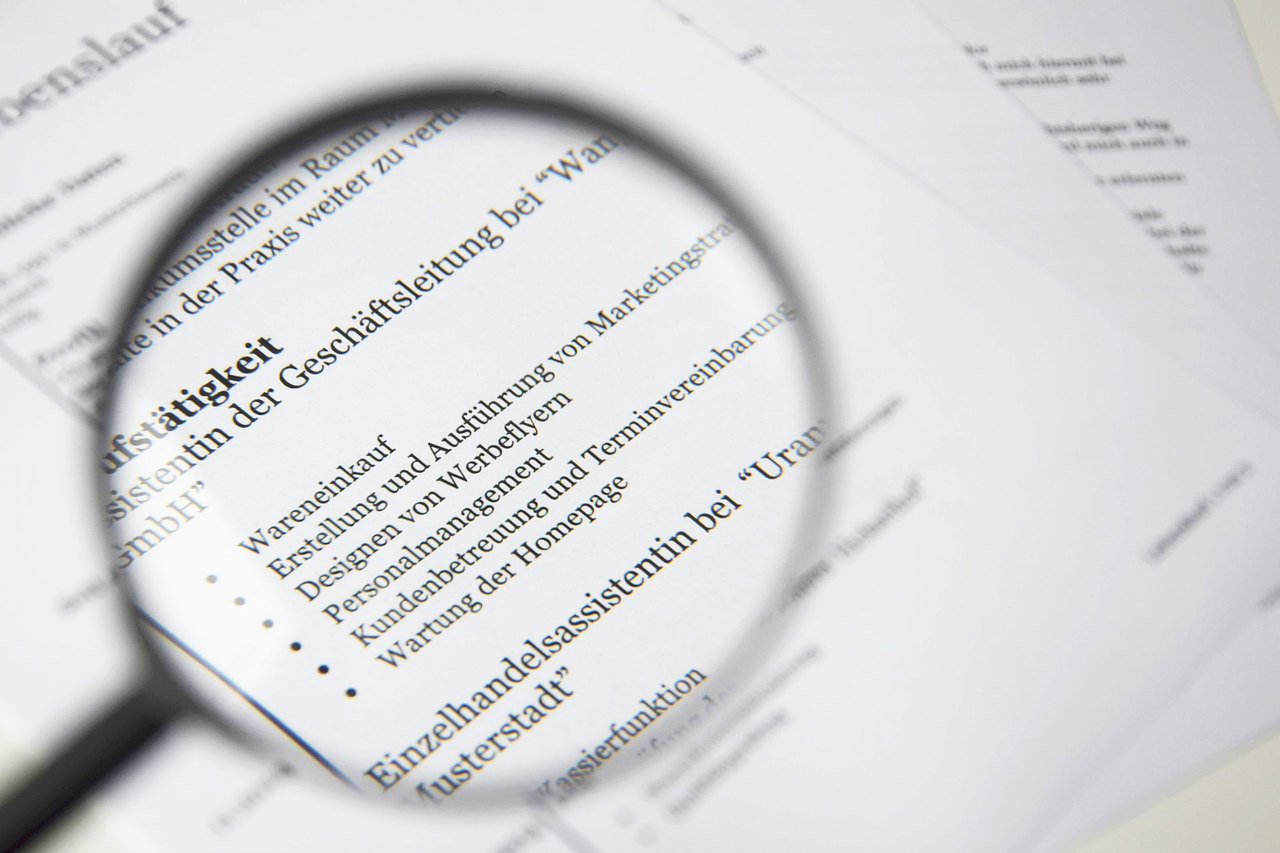
1) Job-Seeking Residence Permit (Post-Study)
(Image keywords: job search germany graduates)
If you do not yet have a job:
• Duration: up to 18 months
• Purpose: find qualified employment related to your degree
• Work allowed: any job (to support yourself)
This option buys time—but does not replace a work permit.
2) Work Residence Permit
If you have a job offer:
• The job must be qualified (degree-related)
• Salary and role must meet legal criteria
• Permit is tied to your employer and position
This is the standard path for most graduates.
3) EU Blue Card
If your offer meets the Blue Card salary threshold:
• Faster path to permanent residence
• Easier job mobility later
• Strong long-term advantages
Not all graduates qualify immediately, especially in entry-level roles.
When to Apply
Apply Before Your Student Permit Expires
• Ideally 2–3 months in advance
• Earlier if your city has long waiting times
If you apply in time, you usually receive a temporary status allowing you to stay legally until a decision is made.
Do not wait until after graduation ceremonies or contract start dates.
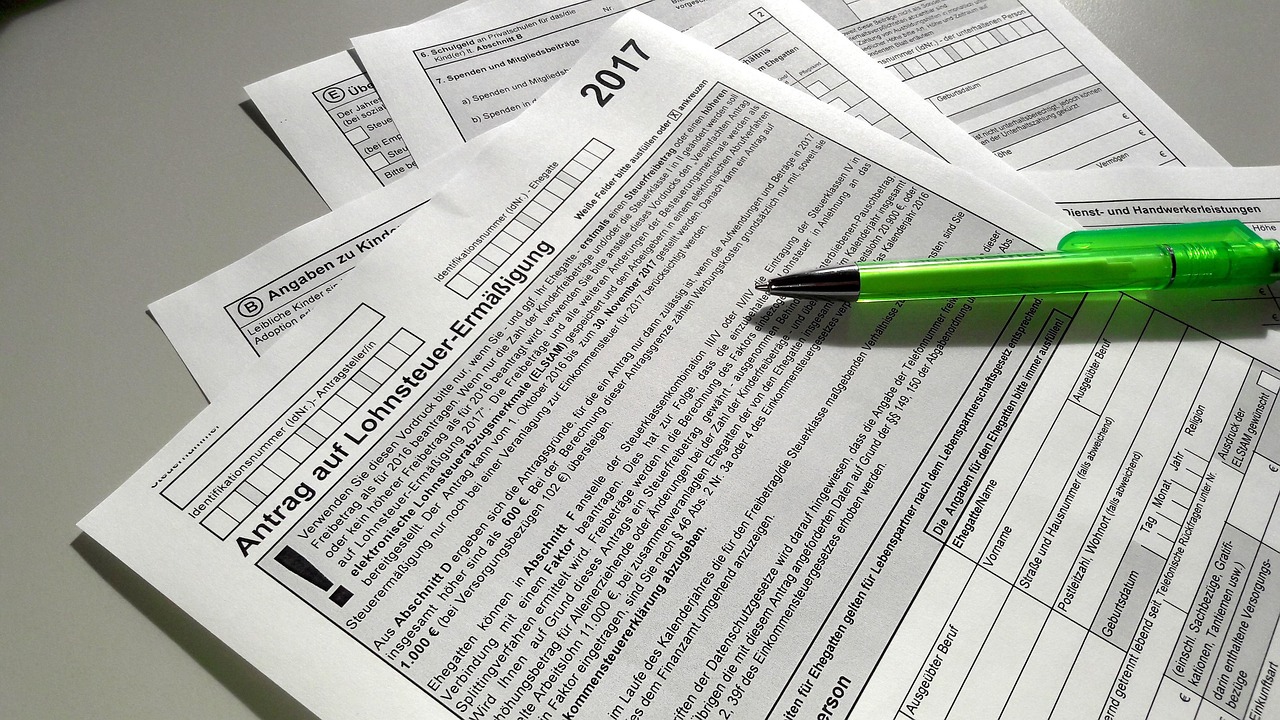
Required Documents
(Image keywords: auslanderbehorde application documents)
Expect to provide:
• Valid passport
• Current residence permit
• University graduation certificate (or official completion letter)
• Job contract or binding job offer
• Job description (often required)
• Proof of health insurance
• Proof of address (Anmeldung)
• Biometric photo
• Application form
Some authorities request additional documents—always check your local requirements.
Common Reasons for Delays
Incomplete Documents
Missing items often reset processing time.
Tip:
Bring originals + copies and organize them clearly.
Unclear Job Qualification
Authorities assess whether:
• The job matches your degree
• The salary is appropriate for the role
Vague job descriptions can cause requests for clarification.
Appointment Shortages
In many cities:
• Appointments are booked months ahead
• Emergency slots are rare
Book early—even before all documents are finalized.
What You Can Do While Waiting
(Image keywords: temporary residence permit germany)
If you applied in time:
• You may receive a temporary certificate allowing you to stay
• Working rules depend on your current status and notes on the certificate
Never assume you are allowed to work—confirm it in writing.
Changing Employer After Approval
• Some permits are employer-specific (especially early on)
• Changing jobs may require notification or approval
• Blue Card holders generally have more flexibility (after certain periods)
Always check before signing a new contract.
Common Mistakes to Avoid
Waiting for the “Perfect” Job
If your student permit expires soon, apply for a job-seeking permit first.
Assuming HR Will Handle Everything
Employers may help, but you are responsible for your residence status.
Ignoring Small Details
Incorrect dates, missing signatures, or unclear insurance proof can delay decisions by weeks.

Practical Tips That Help
• Keep digital and printed copies of all documents
• Use clear, official translations if needed
• Be polite but persistent in communication
• Document all submissions and emails
Preparation often matters more than speed.
Reality Check
• Visa changes in Germany are procedural, not personal
• Delays are common—even with perfect documents
• Applying early and correctly reduces stress dramatically
If you plan ahead, changing your residence permit after graduation is manageable—even in busy cities.