
Art, design, architecture, and visual communication programs in Germany rely heavily on portfolios to evaluate creativity, technical skills, and artistic direction. A strong portfolio can make a bigger impact than grades or language scores. This guide explains what German universities look for, how to select your best work, how to format your portfolio, and how to meet typical submission requirements.
Why the Portfolio Matters So Much
For creative programs, the portfolio often carries 40–70% of the admission weight.
This is because:
• creativity cannot be measured by transcripts
• professors want evidence of your thinking process
• artistic ability is more important than theory
• the portfolio shows your individual style and direction
Many students with strong portfolios are admitted even with average grades.

What German Universities Look For
Admission committees evaluate:
• creativity and originality
• concept development (not just pretty outcomes)
• technical skills (drawing, design tools, digital work)
• personal artistic voice
• visual storytelling
• ability to solve problems visually
They want to see process, not just final images.
How Many Works to Include
Most German universities specify:
• 10–20 works for design programs
• 15–25 works for architecture
• 10–15 works for photography or fine arts
But quality is always more important than quantity.
Submitting fewer but stronger works is better than filling space with average pieces.
What Kind of Works to Include
A strong portfolio includes a variety of works, such as:
For Graphic/Communication Design
• posters
• typography
• branding work
• layout design
• web/mobile UI
• illustration
• conceptual visual projects
For Architecture
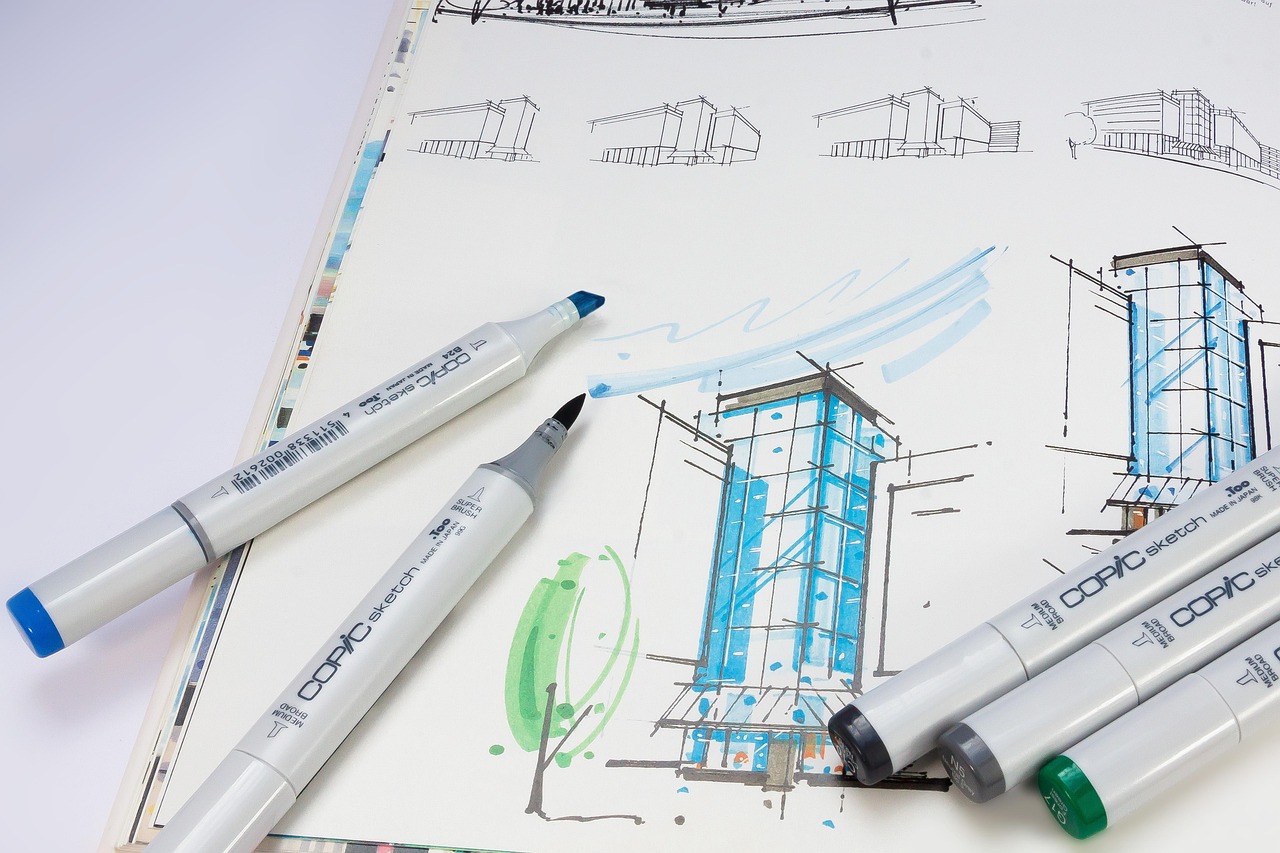
• building sketches
• model photos
• floor plans / sections
• physical or digital models
• conceptual spatial designs
For Fine Arts
• painting
• illustration
• mixed media
• photography
• sculpture
For Media/Photography
• curated photo series
• storytelling projects
• documentary or conceptual images
Important:
Self-initiated projects are often valued higher than school assignments because they show motivation.
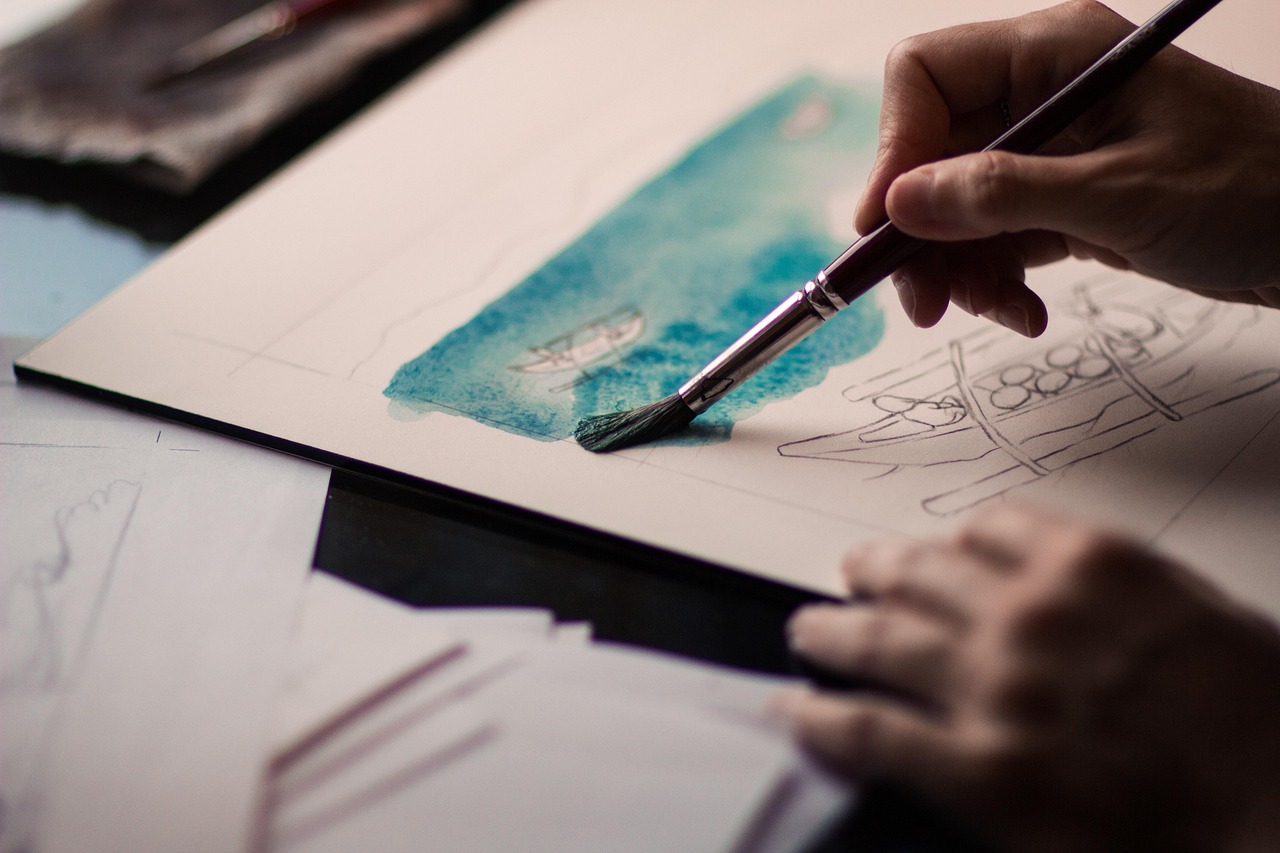
Show Your Process (Very Important)
German universities love seeing:
• initial sketches
• drafts
• mood boards
• brainstorming
• failed attempts
• alternative versions
Why?
Because the portfolio should show how you think, not only what you can finish.
Portfolio Format & Technical Requirements
Most universities accept:
• PDF portfolio (commonly 10–30 MB)
• horizontal (landscape) layout preferred
• A4 or A3 PDF pages
• clear labeling (title + short description)
Less common formats:
• physical portfolio
• video portfolio
• website portfolio
Unless the school specifically asks for a website, stick to a PDF.
How to Write Short Descriptions
Each project should include:
• project title
• year
• tools used (e.g., Photoshop, pencils, Blender, etc.)
• 1–2 sentences describing the idea or concept
Avoid overlong explanations—visual clarity is more important.
Submission Requirements (Common Rules)
Requirements vary, but typically universities ask for:
• PDF portfolio uploaded directly to the application portal
• max file size (often 30 MB)
• specific naming format (e.g., “Portfolio_FirstName_LastName.pdf”)
• a statement confirming the works are your own
• possible online aptitude test (for some design schools)
Some universities (like UdK Berlin or Bauhaus Weimar) hold additional portfolio exams after reviewing the first submission.
Common Mistakes to Avoid
These mistakes frequently lead to rejection:
• too many works (lack of curation)
• inconsistent style
• low-quality scans or photos
• cluttered layouts
• no explanation of concept or process
• missing required file format or size
• copying popular styles without originality
• submitting only digital work with no sketches

How to Choose Your Best Works
Ask yourself:
• Does this piece show my creative thinking?
• Is the idea clear and strong?
• Does the project reflect what I want to study?
• Is it visually well-presented?
• Would I show this to a professor in person?
A strong portfolio is built on focus, clarity, and consistency.
Summary
A powerful portfolio is essential for admission to German art and design programs. To stand out:
• select high-quality works
• demonstrate your process
• keep your layout clean and professional
• follow the format and technical requirements
• present a clear artistic identity
Your portfolio is the most personal part of your application—and often the deciding factor.