
German universities use a combination of lectures, seminars, tutorials, and practical sessions to teach academic content. Understanding how each class type works—and what professors expect—will help you participate confidently and study more effectively. This guide explains class formats, attendance rules, academic expectations, and tips for preparing for each type.
The German University Teaching Structure
Most degree programs combine several types of courses:
• Lectures (Vorlesungen)
• Seminars (Seminare)
• Tutorials/Exercises (Übungen)
• Practical sessions (Praktika)
• Colloquia (Kolloquien) for advanced students
Each format has a different purpose and level of student participation.
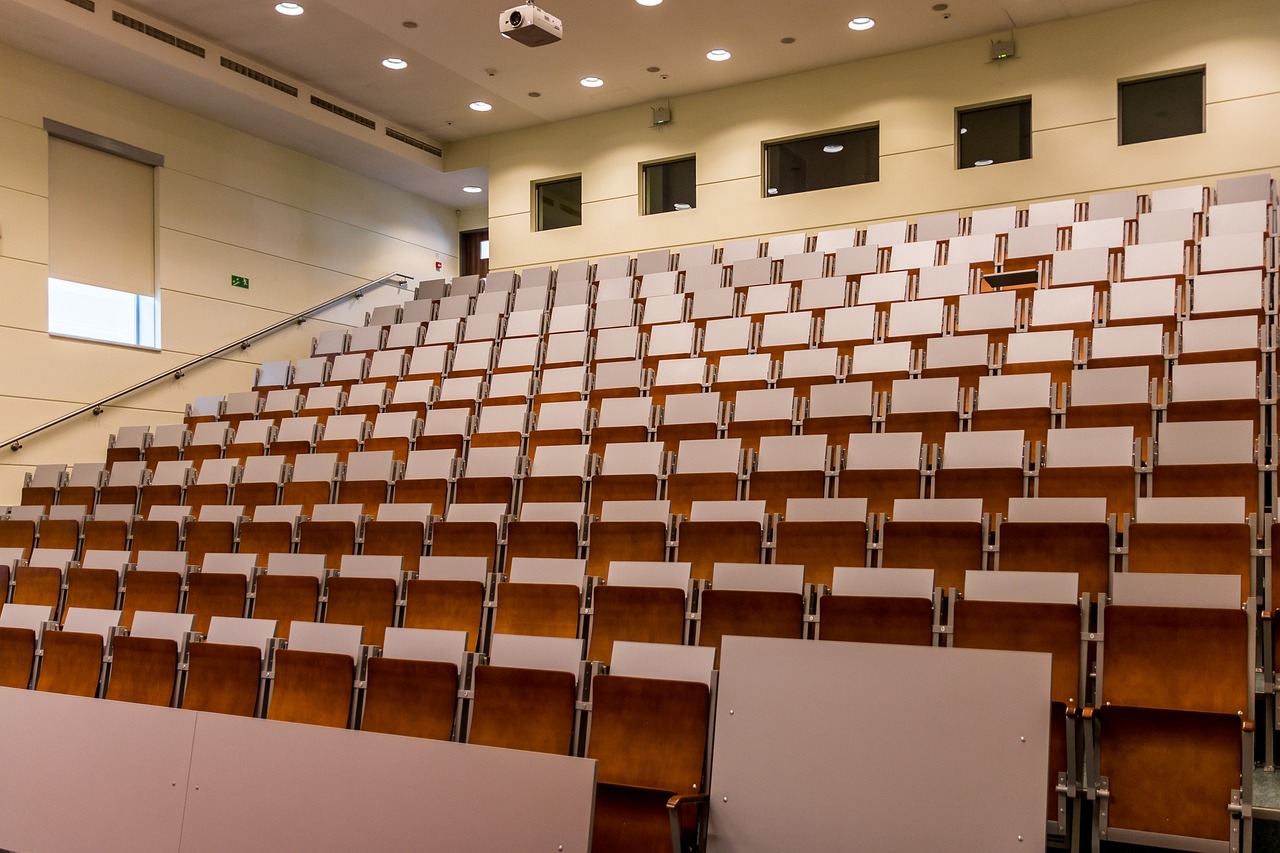
Lectures (Vorlesungen)
Lectures are the most common class type at German universities.
Key Features
• large classes (sometimes 100–400 students)
• professor presents theory and core concepts
• limited interaction
• no mandatory attendance in most cases
• lecture slides and reading materials provided online
What Professors Expect
• you study independently
• you revisit lecture slides after class
• you prepare for exams on your own
How to Prepare for Lectures
• skim the slides before class
• sit near the front for better focus
• take short notes, not word-for-word
• review weekly to avoid falling behind

Seminars (Seminare)
Seminars are smaller, discussion-based classes.
Key Features
• 10–30 students
• active participation required
• weekly reading assignments
• group work and presentations
• attendance usually mandatory
What Professors Expect
• you read assigned texts
• you contribute to discussions
• you complete presentations or essays
• you respect academic standards (citations, formatting)
How to Prepare for Seminars
• read the required text before class
• highlight key arguments
• prepare 1–2 discussion questions
• take part in debates respectfully
• keep track of deadlines
Seminars often determine a large part of your grade.

Tutorials / Exercise Sessions (Übungen)
Übungen are practical sessions led by teaching assistants.
Purpose
• solve homework questions
• deepen understanding of lecture content
• prepare for exams
• practice problem sets
Common in:
• mathematics
• engineering
• computer science
• economics
Expectations
• bring completed exercises
• ask questions
• follow the TA’s instructions
Übungen often decide whether you understand the material well enough to pass exams.
Practical Courses (Praktika / Lab Sessions)
These are hands-on sessions required in many programs:
• chemistry or biology labs
• programming labs
• engineering workshops
• media or design studios
Key Rules
• strict safety procedures
• mandatory attendance
• graded lab reports
• teamwork common
Missing a lab session often means repeating the entire course.

Attendance: What Students Need to Know
Attendance rules differ by course type:
• Lectures: usually not mandatory
• Seminars: often mandatory
• Übungen: recommended or semi-mandatory
• Labs/Praktika: always mandatory
Even when attendance is optional, German professors expect self-discipline.
Missing too many sessions usually leads to poor exam performance.
Assessments: How You Are Graded
Common grading methods include:
• final exams (Klausuren)
• essays or Hausarbeiten
• presentations (Referate)
• portfolios or project work
• lab reports
• participation (mainly in seminars)
Many lecture-heavy programs rely mainly on a single end-of-semester exam, so consistent study habits are essential.
How to Prepare Effectively
For Lectures
• review slides weekly
• work through example problems
• attend tutorials
For Seminars
• complete readings
• prepare talking points
• practice presentations
For Labs
• read safety rules
• understand the experiment before arriving
• complete reports carefully
For Online Materials
Most universities use platforms like:
• Moodle
• ILIAS
• Stud.IP
• university-specific systems
Check them regularly for updated slides, deadlines, and assignments.

Common Mistakes to Avoid
• relying only on lecture attendance without self-study
• ignoring assigned readings
• starting essays too late
• skipping tutorials
• underestimating seminar workload
• not communicating with professors when struggling
German universities expect high independence—you manage your own time and workload.

Summary
German university teaching combines lectures, seminars, tutorials, and practical sessions. To succeed:
• stay consistent with weekly study
• participate actively in seminars
• attend tutorials for problem-solving help
• prepare well for labs
• check online platforms frequently
Understanding the structure of each class type will help you adapt quickly and study more efficiently in Germany.