Finding your first job in Germany can feel overwhelming—especially if you’re new to the job market, still improving your German, or unsure where to start. This guide breaks down the most effective strategies for job searching, preparing applications, and tailoring your documents to the expectations of German employers.
Where to Search for Jobs
Germany has a wide range of job portals, but not all are equally useful for international graduates. Start with the platforms below:
Major Job Portals
• LinkedIn – excellent for English-speaking jobs and networking
• Indeed – broad listings for all industries
• StepStone – one of Germany’s largest job portals
• Glassdoor – good for research and salary information
Specialized Portals
• StackOverflow Jobs – for software developers
• Absolventa – for young professionals and graduates
• Jobbörse der Bundesagentur für Arbeit – official government job portal
• MeinPraktikum / Praktikum.de – for internships and entry-level experience
University Career Services
Most German universities have:
• job portals
• company events
• networking fairs
• internal internships
Check your university’s Career Center regularly.
Understand What German Employers Expect
German companies value:
• clarity
• structure
• professionalism
• relevant experience
• long-term potential
Your application should show:
• you understand the role
• your degree and skills match the job
• you can communicate clearly and professionally
Avoid overly emotional writing—German companies prefer a factual tone.
Tailoring Your CV to German Employers
A German-style CV (Lebenslauf) has a specific format:
Recommended Structure
1. Personal Information
• name, email, phone, location
2. Professional Summary (optional)
3. Education
4. Work Experience
5. Skills (technical + soft)
6. Languages
7. Certifications / Projects
Tips for a Strong CV
• keep it one or two pages
• list experience in reverse chronological order
• use bullet points with quantifiable achievements
• do not include long paragraphs
• avoid flashy designs—keep it clean and professional
Example Bullet Point
Instead of:
“Helped with customer service.”
Write:
“Managed customer inquiries and resolved 30+ cases per day with a 95% satisfaction rate.”
How to Prepare a Strong Application Package
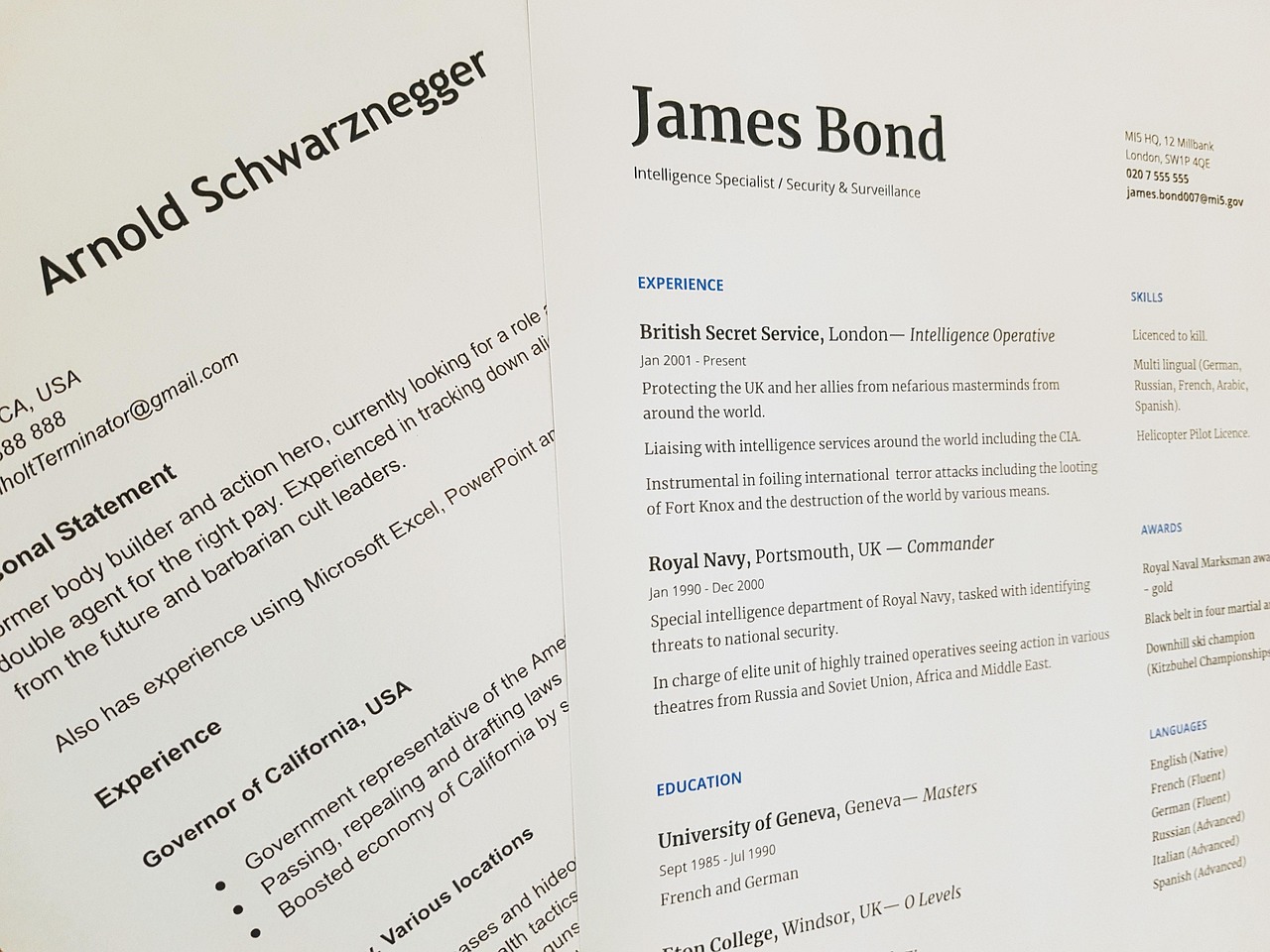
A complete German application typically includes:
• Lebenslauf (CV)
• Cover Letter (Anschreiben)
• Certificates (Zeugnisse) such as transcripts, internship certificates
• Portfolio (for design/tech roles)
Cover Letter Tips
Your cover letter should:
• explain why you want the position
• show that you understand the company
• connect your skills to the job requirements
• be one page, direct, and well-structured
Portfolio Tips
For design, IT, and engineering applicants:
• include 3–5 best projects
• describe your role clearly
• show results, not just participation
Networking Strategies That Actually Work
1) Use LinkedIn Properly
• follow German companies
• post about your projects
• send polite messages to recruiters
• join groups for your field
2) Attend Events
• career fairs
• university networking sessions
• tech meetups
• professional workshops
Recruiters in Germany take real-life interactions seriously.
3) Use Alumni Networks
Many universities have strong alumni groups on:
• LinkedIn
• Xing
• Facebook
• university websites
4) Reach Out to Hiring Managers
A short, polite message can set you apart.

Build Relevant Experience First (If Needed)
If you’re struggling to find a full-time job, start with:
• internships
• Werkstudent (student assistant) jobs
• volunteering or project work
• freelance projects
• university research assistant roles
These experiences make your application much more competitive.
Typical Challenges for International Graduates
• little or no work experience
• limited German language skills
• lack of understanding of German-style applications
• not knowing where to search
• not tailoring applications
Don’t worry—these can be overcome with strategy and consistency.
Common Mistakes to Avoid
• applying with an “all-purpose” CV
• writing emotional or overly personal cover letters
• not customizing applications to each job
• ignoring German-language job ads (many accept English speakers)
• sending applications with grammar or formatting mistakes
• applying without reading job requirements fully

Summary
Finding your first job in Germany is absolutely achievable with the right strategy. To maximize your chances:
• use the right job portals
• tailor your CV to German standards
• write structured, clear cover letters
• build experience through internships and student jobs
• network actively online and offline
• avoid common mistakes that lead to rejection
With persistence and proper preparation, your first professional step in Germany will open the door to long-term career success.