
Germany’s supermarket landscape is diverse, offering multiple price levels, store formats, and product selections. Understanding how major chains like REWE, Lidl, Aldi, and Kaufland differ helps students shop more efficiently and reduce monthly expenses.
This guide also provides a practical breakdown of typical monthly living costs and strategies to save money while maintaining a comfortable lifestyle.
Overview of Major German Supermarkets
German supermarkets can be divided into three broad categories:
• Discount supermarkets – Lidl, Aldi
• Mid-range supermarkets – REWE
• Large-format hypermarkets – Kaufland
Each chain offers different advantages depending on budget, location, and the type of shopping needed.
Lidl
Lidl is one of the most popular discount supermarkets among students.
Key Characteristics
• Affordable prices
• Good selection of essential items
• Weekly promotions (“Aktionsartikel”)
• Modern stores with growing fresh produce sections
Strengths
• Excellent value for money
• Strong bakery section
• Reliable quality despite low prices
Limitations
• Smaller product variety than REWE
• Limited international foods
Aldi (Aldi Süd & Aldi Nord)
Aldi is Germany’s original discount supermarket, known for low prices and consistent quality.
Key Characteristics
• Very competitive prices
• Simple store layout
• No-frills packaging
• Rotating weekly sales
Strengths
• Often the cheapest supermarket
• High-quality store-brand products
• Fast checkout process
Limitations
• Smaller stores
• Limited brand-name items
REWE
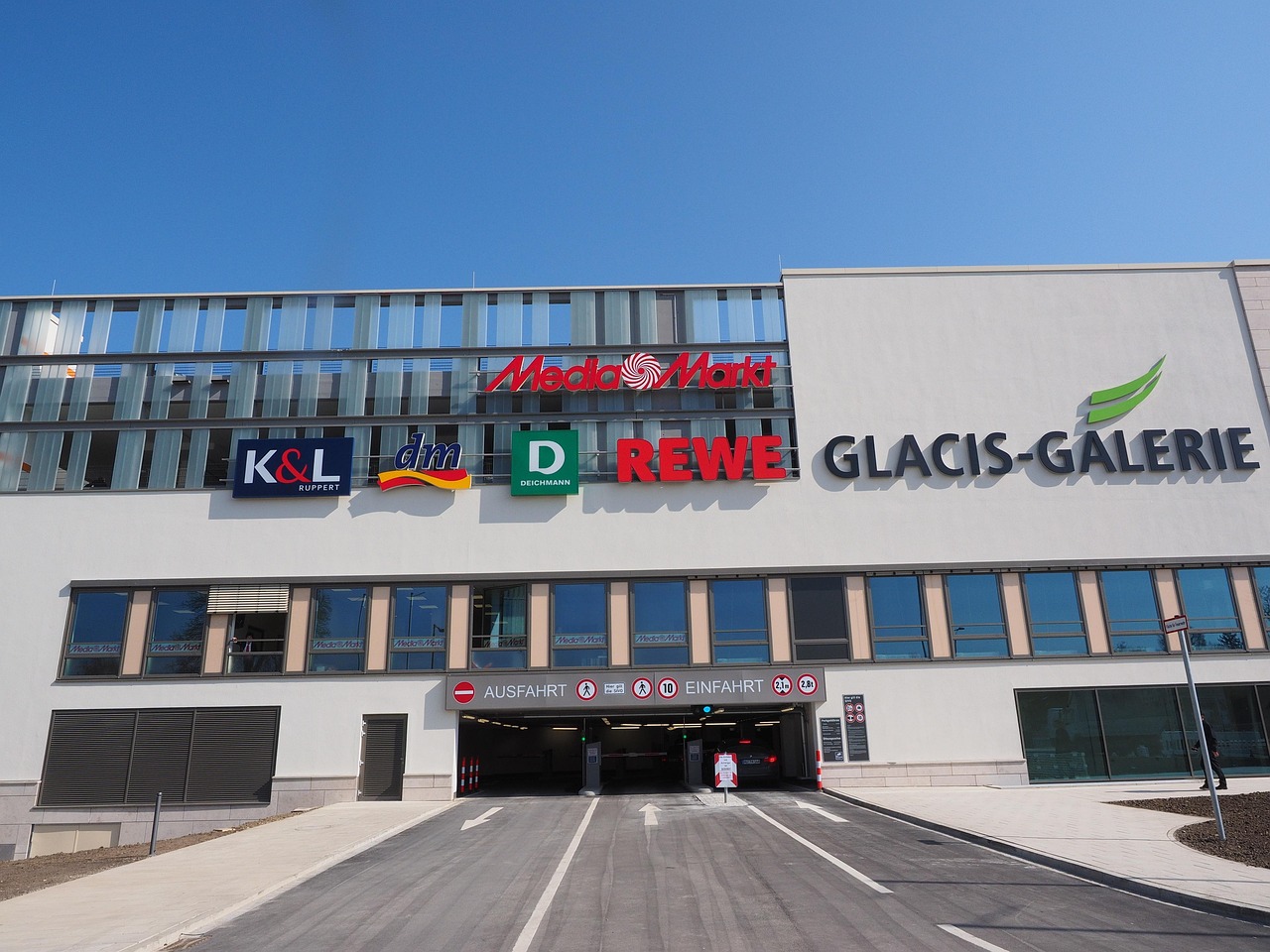
REWE is a mid-range supermarket with wider product selection and higher-quality branding.
Key Characteristics
• Broad selection of fresh produce
• Many imported and specialty products
• Good vegetarian/vegan offerings
• Higher price level
Strengths
• Best variety among mid-range supermarkets
• Convenient online delivery service
• High-quality fresh foods
Limitations
• Generally more expensive
• Budget-conscious students may prefer discount stores
Kaufland
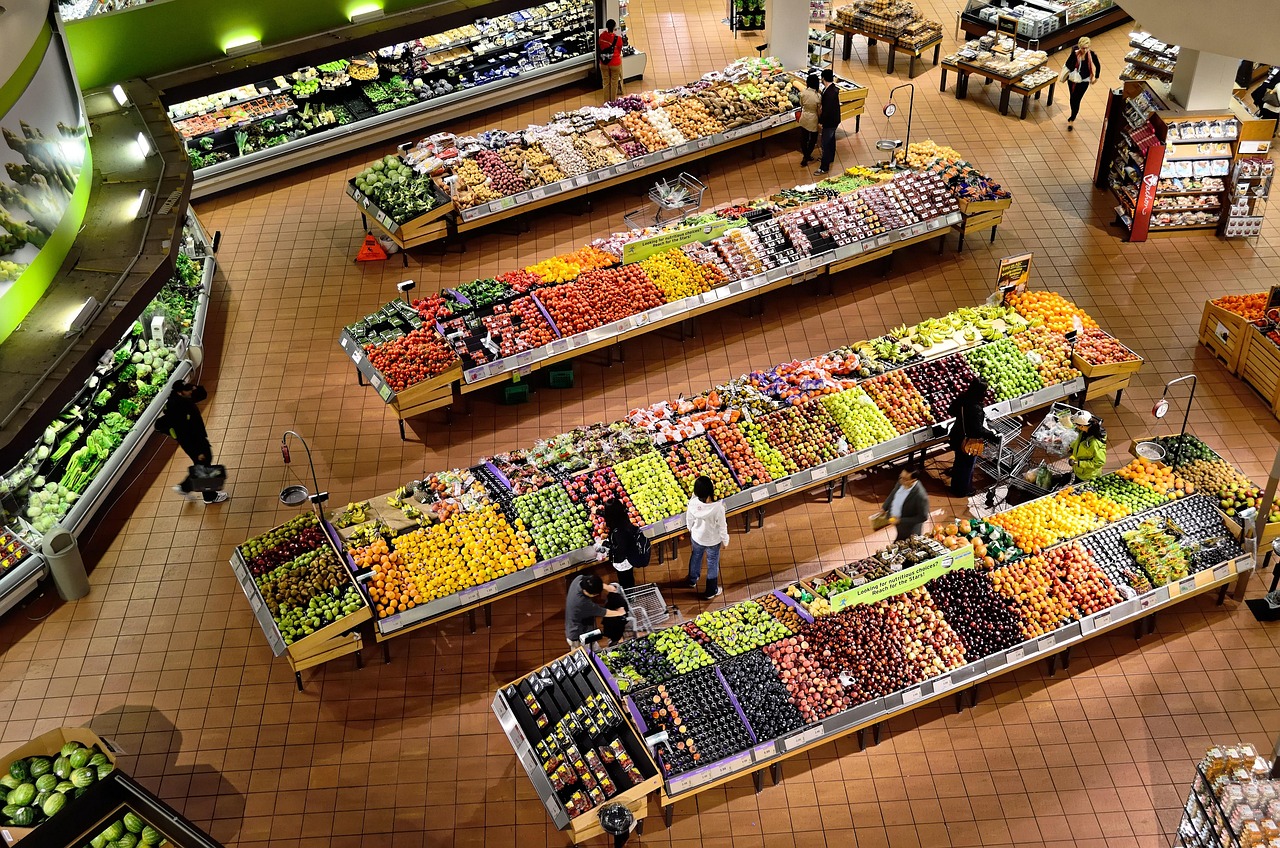
Kaufland operates as a large hypermarket offering extensive product variety at competitive prices.
Key Characteristics
• Very large stores
• Huge selection: groceries, household items, clothing
• Frequent discounts
• Broad range of international products
Strengths
• Ideal for bulk shopping
• Often cheaper than REWE
• Great for stocking up on essentials
Limitations
• Stores are not available in every neighborhood
• Shopping can take longer due to store size
Monthly Living Cost Breakdown for Students
Typical monthly living expenses vary by city, but the following averages apply to most students in Germany.
Average Monthly Costs
• Groceries: €150–€250
• Dining out / cafés: €50–€120
• Public transport / semester ticket: included in semester fee or €49 ticket
• Utilities (if not included): €40–€80
• Phone plan: €8–€20
• Health insurance: €120–€130 (public insurance, student rate)
Total Estimated Monthly Cost:
€800–€1,100 depending on lifestyle and location.
Large cities like Munich or Hamburg are at the higher end; Leipzig, Dresden, and Bochum are notably cheaper.
Where Students Can Save the Most
Buy essentials at discount supermarkets
Lidl and Aldi offer excellent prices for:
• fresh vegetables
• bread and bakery items
• basic pantry items
• dairy and eggs
Use Kaufland for bulk shopping
Ideal for:
• rice and pasta
• frozen foods
• toiletries
• large household items
Use REWE strategically
REWE is best for:
• specialty items
• international ingredients
• bakery-quality fresh foods
Shop late in the evening
Many supermarkets discount baked goods and perishables before closing.
Buy store-brand (Eigenmarke) products
Quality is often comparable to branded items but significantly cheaper.
Avoid convenience stores
Gas station shops and late-night kiosks (Spätis) charge much higher prices.
Additional Tips for Reducing Food Expenses
• Look for “Reduziert” stickers (reduced price for items nearing expiration)
• Compare prices via apps like Bring!, Kaufland, or REWE Online
• Check weekly flyers for promotions
• Cook in batches and freeze meals
• Avoid buying pre-cut fruit or pre-cooked meals—they are significantly more expensive
Summary
Each supermarket in Germany offers distinct advantages:
• Lidl and Aldi provide the most affordable everyday groceries.
• REWE offers variety and specialty items.
• Kaufland is ideal for big, budget-friendly weekly shops.
By mixing these stores strategically and understanding typical monthly costs, students can maintain a balanced, affordable lifestyle without sacrificing quality.