
Choosing a SIM card in Germany can be confusing for newcomers. There are many providers, different network qualities, prepaid vs contract decisions, and various rules for identification. This guide compares the major options—Telekom, Congstar, O2, Lidl—and explains eSIM availability, pricing, and the best choices for students.
Prepaid vs Contract: Which One Should You Choose?
Germany offers two types of mobile plans:
⸻
A) Prepaid SIM Cards (Pay-as-you-go)
Best for new students or short stays
Pros:
• no contract
• easy cancellation
• low monthly cost (€7–€15)
• great for your first months in Germany
• widely available at supermarkets and kiosks
Cons:
• slower speeds than full contracts
• sometimes worse customer support
• data packages may be limited
Recommended for:
→ new arrivals, language students, early semesters, anyone without a bank account yet.
⸻
B) Contract Plans (24-month or monthly)
Best for long-term students
Pros:
• faster speeds
• more reliable network
• more data (sometimes unlimited)
• eSIM usually supported
Cons:
• cancellation rules are strict
• need a German bank account + registration address
• credit check required
• 24-month commitment unless choosing a flexible plan
Recommended for:
→ students staying long-term who want stable internet.
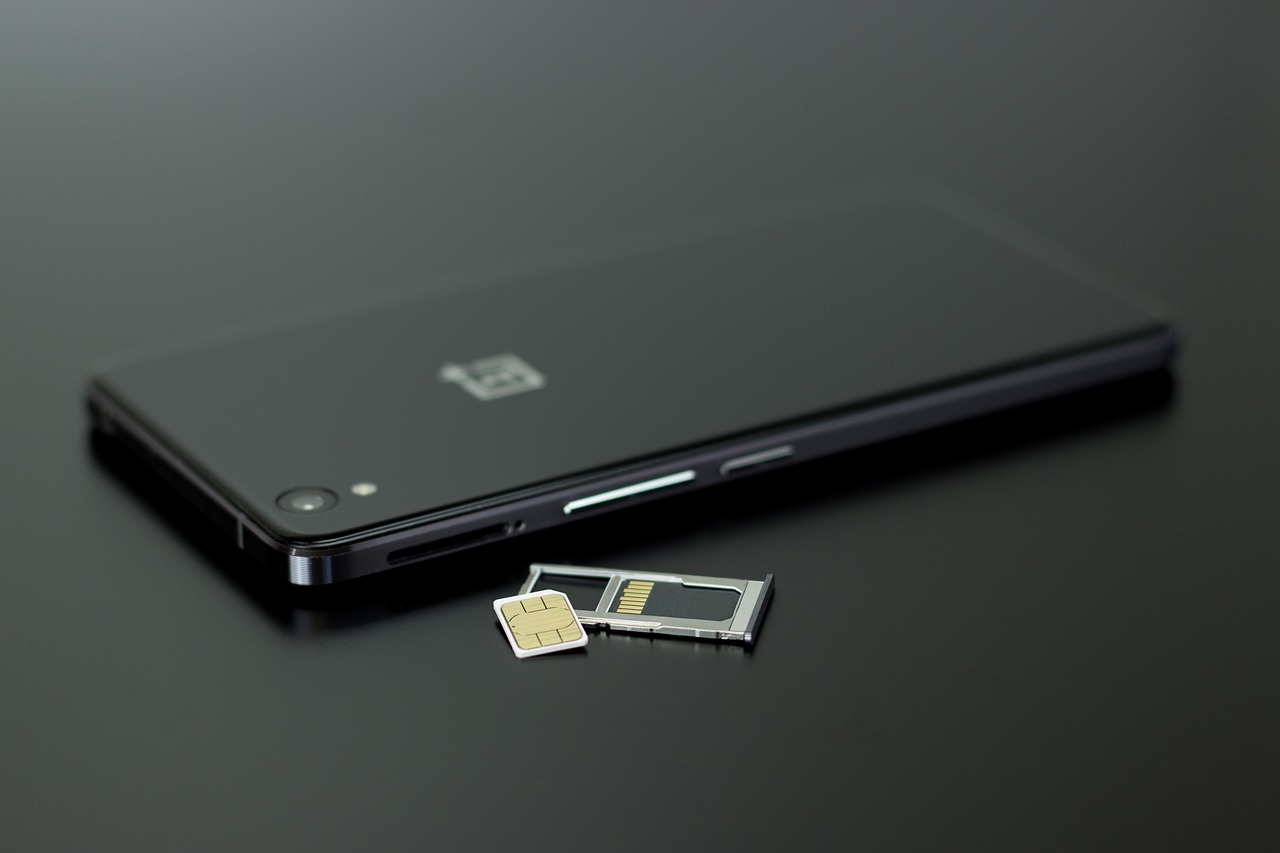
Network Comparison: Telekom vs Vodafone vs O2
Germany has three main mobile networks:
1) Telekom (best overall)
• fastest speeds
• strongest coverage, especially rural
• premium price
2) Vodafone (balanced choice)
• good coverage
• moderate pricing
• decent speeds
3) O2 (budget-friendly)
• cheapest
• weaker rural coverage
• excellent value in big cities
Summary:
If you want top coverage → Telekom
If you want balance → Vodafone
If you want cheap → O2
Provider Comparison (Student-Friendly Overview)
A) Congstar (Telekom network)
Congstar is owned by Telekom and uses their strong network.
Pros:
• great coverage
• prepaid and contract options
• flexible monthly plans
• eSIM available
Cons:
• slower speeds than Telekom proper
• slightly more expensive than Lidl/O2
Great for students who want Telekom quality at a lower price.
⸻
B) Telekom (Premium option)
Pros:
• unbeatable network
• highest speeds
• eSIM support
Cons:
• expensive (€30–€45 per month)
• contracts require Schufa / bank account
Recommended only if you need very strong coverage.
⸻
C) O2 (Budget network)
Pros:
• cheapest unlimited plans
• great for big cities
• eSIM available
Cons:
• rural coverage can be weak
Best for students in urban areas.
⸻
D) Lidl Connect (Vodafone network, prepaid)
Pros:
• extremely affordable (€7.99–€12.99 per month)
• available in every Lidl supermarket
• easy activation
• no contract
Cons:
• slower speeds
• limited support
Perfect as a first SIM after landing in Germany.
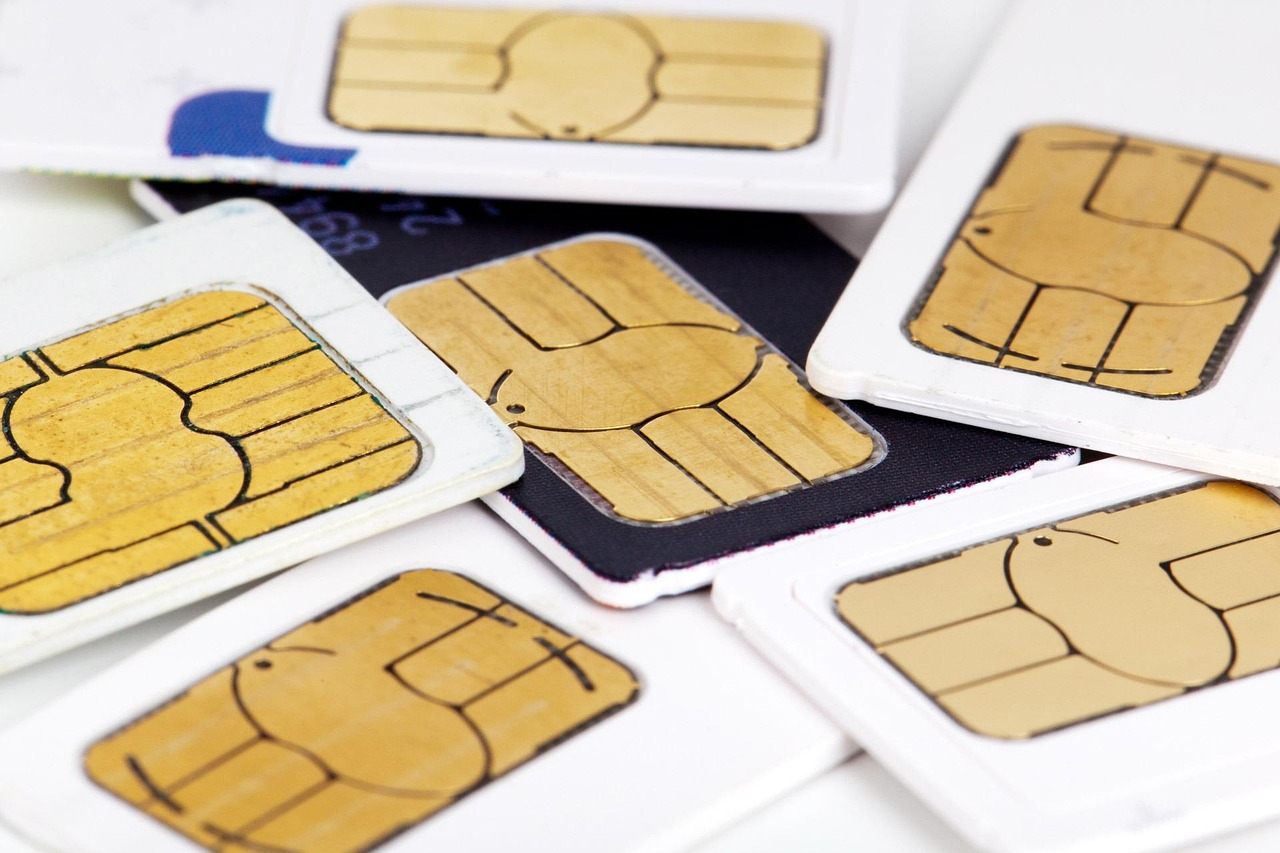
eSIM Availability
Most major providers now support eSIM:
• Telekom → yes
• Congstar → yes
• O2 → yes
• Vodafone → yes
• Lidl → no (most prepaid supermarkets do not offer eSIM)
eSIM advantages
• no need to replace physical SIM
• quick setup
• ideal for phones without dual SIM slots
If eSIM is important for you, avoid supermarket prepaid plans.
Identification Requirement (Important!)
In Germany, all SIM cards must be registered with valid ID.
This means you must complete:
• Video-Ident (online ID verification)
or
• Post-Ident (verify at a post office)
You will need:
• passport
• registration address (sometimes optional at first)
Without verification, your SIM will not activate.
Best Plan Recommendations for Students
Best Prepaid Option (Budget):
Lidl Connect Smart S
• ~€8/month
• 4–6 GB data
• Vodafone network
Perfect for your first month.
Best Balance Option:
Congstar Prepaid Allnet M or Congstar Flex Plan
• Telekom network
• flexible
• eSIM available
Best Urban Cheap Plan:
O2 Grow or O2 Free Plans
Great data amount, low price.
Best Premium Option:
Telekom MagentaMobil
• expensive but top quality
• recommended for rural areas
Practical Tips for New Students
A) Supermarket prepaid apps sometimes malfunction
Low-cost prepaid providers such as Lidl Connect are popular and affordable, but their apps can malfunction—especially during ID verification or account registration.
Common issues include:
• being unable to log in
• app crashing during verification
• data packages not activating
• slow customer service
If the online portal fails, managing your plan becomes difficult.
A simple solution:
Visit a Vodafone, Telekom, or O2 store and ask for a prepaid SIM card directly.
Store staff will:
• set up the SIM for you
• complete ID verification on the spot
• test the card before you leave
This is often more reliable than supermarket prepaid activation.
⸻
B) Why most newcomers cannot get a contract immediately
Many international students try to sign a monthly contract on their first day in Germany and are surprised when providers refuse.
This is completely normal.
No credit history (Schufa score)
Providers check your credit record.
New arrivals have no Schufa, so the system often auto-rejects contract applications.
Short residence permit duration
If your visa or residence permit is valid for only a few months, mobile companies won’t approve a 24-month contract.
Contracts require:
• a long-term residence permit
• stable address
• ability to stay for the contract duration
Because of this, most new students must start with prepaid SIMs during their first months in Germany.
⸻
C) Best strategy for your first months in Germany
To avoid frustration, here is the smoothest approach:
1. Buy a prepaid SIM card (Lidl Connect, O2 Prepaid, Congstar, Vodafone Prepaid).
2. Use it for your first 1–3 months.
3. After you receive:
• your residence permit
• Anmeldung (address registration)
• German bank account
• Schufa history
…then apply for a monthly contract if you need better data and speed.
This approach avoids:
• failed contract applications
• long processing times
• credit score issues
• wasted store visits
Common Mistakes to Avoid
1) Signing a 24-month contract immediately after arrival
You may not know your long-term address yet.
2) Choosing a provider with poor coverage in your area
Check network maps before signing.
3) Not completing identification
Your SIM will not work until verified.
4) Choosing the cheapest private MVNO without data
Some €5 plans include only 500 MB—too small for students.
5) Expecting unlimited data
Germany rarely offers true unlimited data at low prices.

Summary
Choosing a SIM card in Germany depends on:
• your budget
• how long you plan to stay
• network quality in your area
• whether you prefer prepaid or contract
• whether you need eSIM
Quick recommendation:
• New arrivals → Lidl or Congstar prepaid
• Long-term students → Congstar or O2 contract
• Rural areas → Telekom plans
With the right provider, you’ll have stable internet, easy identification, and no surprises on your monthly bill.