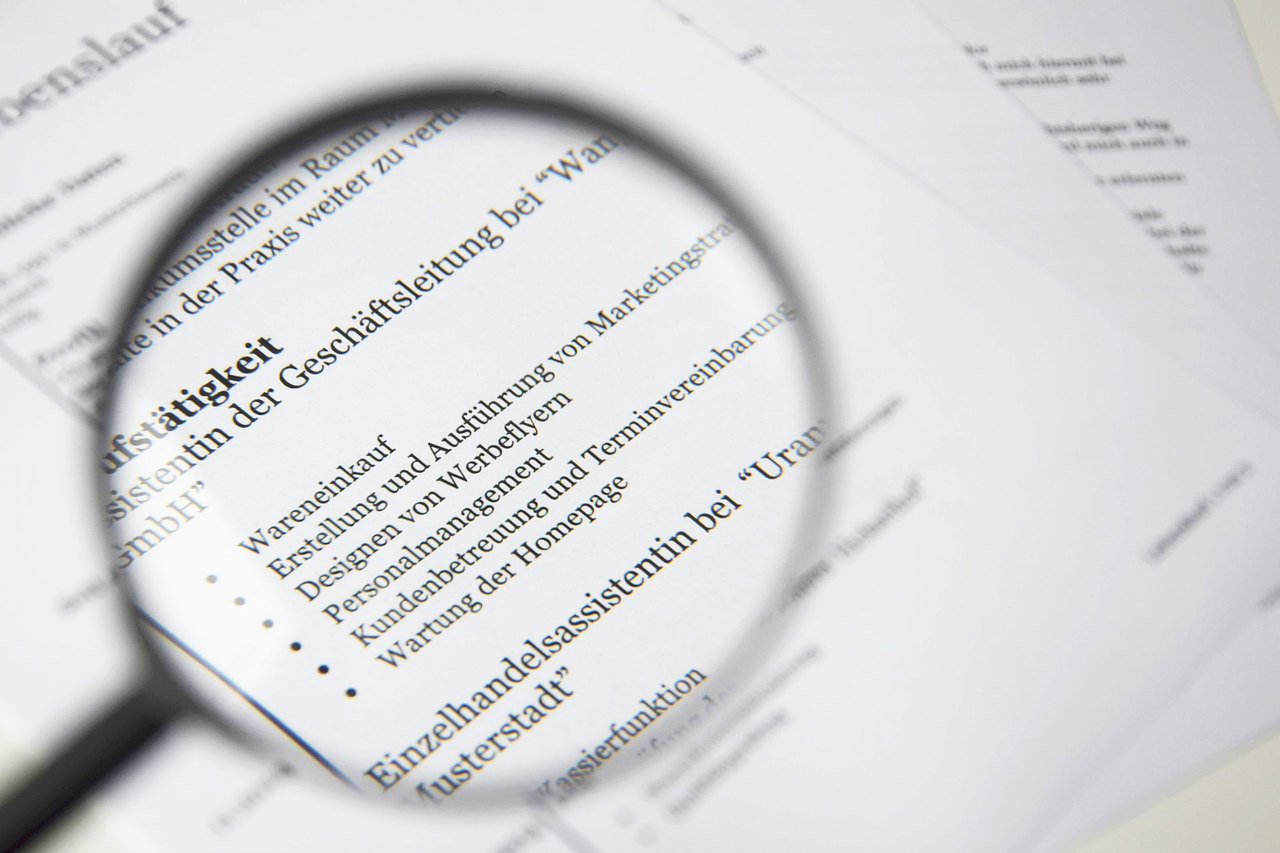

Once you’ve confirmed eligibility and target programs, this step turns planning into action.
German universities are strict about documents, formats, and deadlines—small mistakes here can delay you by an entire semester.
This step focuses on preparing, submitting, and tracking applications correctly.
What This Step Is About
In Step 2, your goal is to:
• Prepare all required documents in the correct format
• Submit applications through the correct channel
• Track responses and react quickly to corrections or requests
This is not about writing “perfect” documents.
It is about meeting formal requirements without errors.
What You Need to Prepare
Most applications require a combination of academic, language, and personal documents.
Exact requirements vary by university, but typically include:
• Academic transcripts & certificates
• Degree certificates (or enrollment certificates if not graduated)
• CV (German-style)
• Motivation letter / statement of purpose
• Language certificates
• Passport copy
Missing or incorrectly formatted documents are one of the top rejection reasons.
Application Pathways You Must Understand
Not all universities accept applications the same way.
You must clearly identify which pathway applies to you.
Uni-Assist
• Centralized platform for many public universities
• Performs formal document checks
• Processing time must be planned in advance
Direct University Application
• Applications submitted directly to the university
• Different portals, rules, and timelines
Applying through the wrong channel often means your application is never considered.
Common Mistakes at This Stage
Applicants frequently run into trouble because they:
• Upload incomplete or outdated documents
• Ignore format requirements (PDF, naming, scans)
• Miss Uni-Assist processing deadlines
• Assume documents can be “fixed later”
• Don’t monitor application status after submission
In Germany, silence is not approval—you must actively check.

Key Guides You Should Use in This Step
Use the following guides as references while preparing applications.
You do not need to read them all at once.
Application Systems
Documents & Writing
Country-Specific Requirements
Language Proof
What You Should Have by the End of Step 2
Before moving on, you should have:
• All applications submitted correctly
• Confirmation receipts or application numbers
• A clear overview of deadlines and responses
• A plan for what to do if you receive conditional offers
You still do not need:
• A visa appointment
• Housing contracts
• A blocked account (unless preparing early)
What Comes Next
Once you receive an admission or conditional offer, legal preparation begins.
Visa timelines are often tight, and preparation must start immediately.