
Job interviews in Germany follow clear structures and expectations. They are usually professional, detail-oriented, and less performative than in some other countries. This page focuses on overall interview skills, etiquette, preparation strategy, and common pitfalls—so you know what interviewers look for before you walk into the room or join a video call.
How Interviews in Germany Are Structured
Most interviews follow a predictable structure:
1. Introduction & small talk (brief and professional)
2. Company and role overview
3. Questions about your background and experience
4. Technical or role-specific discussion
5. Your questions
6. Next steps & timeline
German interviews are usually not designed to surprise you, but they do test preparation and honesty.
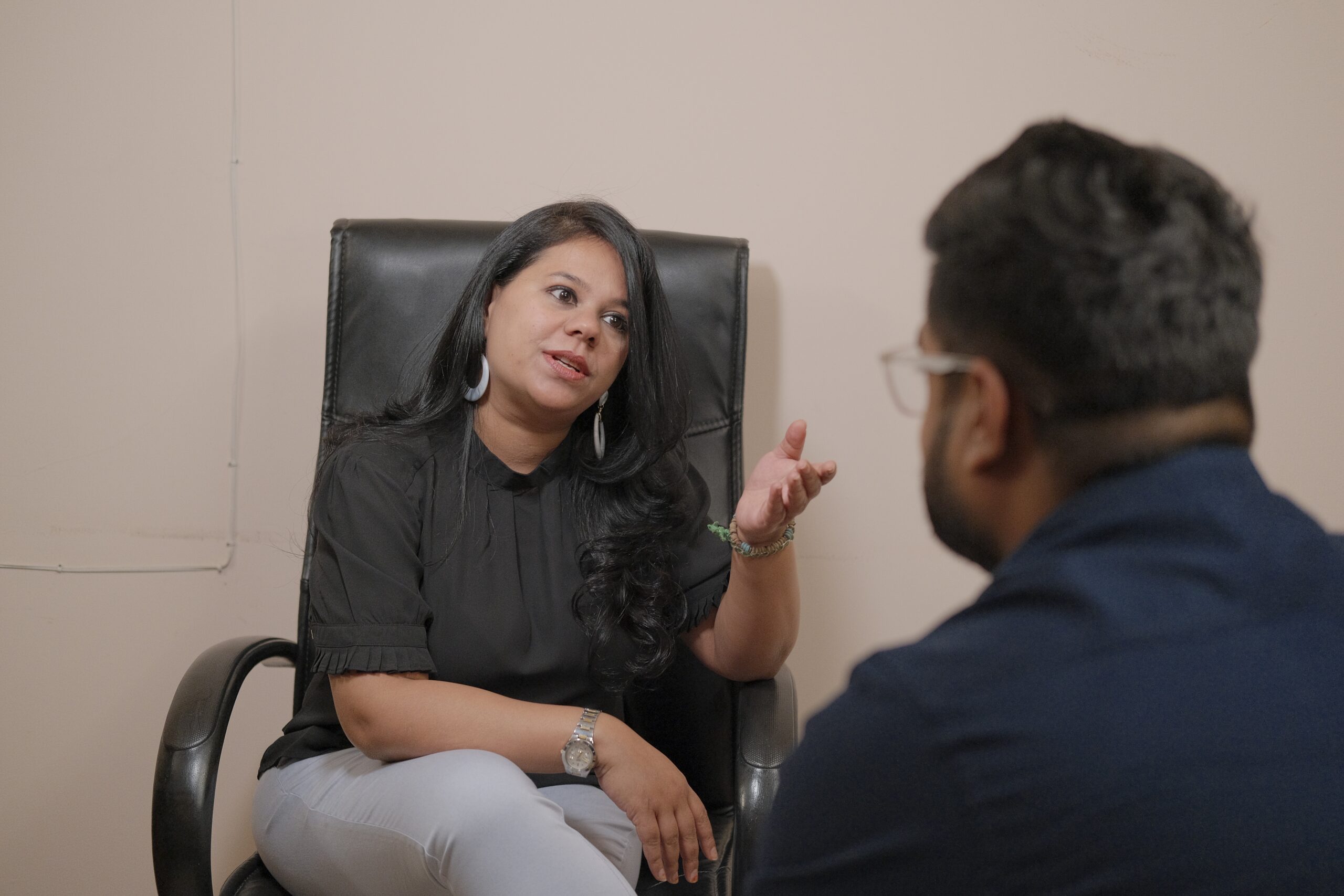
Interview Etiquette: What Matters in Germany
Punctuality Is Non-Negotiable
• Arrive 5–10 minutes early
• Being late without a serious reason is often a dealbreaker
Professional Communication
• Polite, calm, and factual tone
• Do not oversell yourself
• Answer directly before adding context
Dress Code
• Business or business-casual, depending on industry
• Clean, simple, neutral
• When unsure: slightly overdressed is safer than underdressed
What Interviewers Actually Evaluate
German interviewers typically focus on:
• Skill–role match (can you do the job?)
• Reliability (can they trust you?)
• Clarity of thinking (can you explain your work?)
• Consistency (does your story match your CV?)
Motivation matters—but evidence matters more.
Talking About Your Experience Effectively
Be Concrete
Instead of:
“I worked on several projects.”
Say:
“I supported data analysis using Python and prepared weekly reports for the team.”
Admit Limits Honestly
It is acceptable—and often respected—to say:
“I don’t have direct experience with this yet, but I have worked on related tasks.”
Pretending expertise is riskier than acknowledging learning curves.
German vs International Interview Style
Key differences:
• Less emphasis on “personal branding”
• More focus on processes, methods, and results
• Fewer hypothetical or playful questions
• Clearer separation between professional and personal topics
Online Interviews (Video Calls)
Technical Preparation
• Stable internet
• Neutral background
• Tested microphone and camera
Communication Tips
• Speak slightly slower than usual
• Pause before answering
• Look at the camera when speaking
Online interviews are treated as real interviews, not informal chats.
Questions You Should Always Prepare
Even if they are not asked directly, you should have answers ready for:
• Why this company?
• Why this role?
• What relevant experience do you bring?
• When can you start?
• Your residence permit / work authorization status (if applicable)
Avoid improvising these on the spot.
Common Interview Mistakes
Overexplaining
Long, unfocused answers reduce clarity. Structure your response first.
Being Too Vague
General statements without examples weaken credibility.
Avoiding Questions About Next Steps
Asking about the timeline is normal and expected in Germany.
Interview Questions & Answers
German interviews often reuse standard question patterns, but the expected answers differ from country to country.
Reality Check
• Interviews in Germany reward preparation, not performance
• Clear thinking beats confident talk
• Honesty and consistency matter more than “perfect answers”
If you prepare properly, interviews are predictable—not intimidating.