A German-style CV (Lebenslauf) follows clear, conservative, and standardized rules. Deviating too much—especially as an international applicant—often hurts your chances, even if your qualifications are strong. This guide explains how a German CV is structured, what employers expect, what mistakes lead to rejection, and how to adapt your CV strategically without overdoing it.
What Makes a German CV Different?
German employers use CVs to assess:
• Professional clarity
• Chronological consistency
• Reliability and precision
A CV is not meant to “sell” you emotionally. It is meant to document your profile cleanly and verifiably.
Typical length:
• 1 page (students, early career)
• 2 pages (experienced professionals)
Standard Structure of a German CV
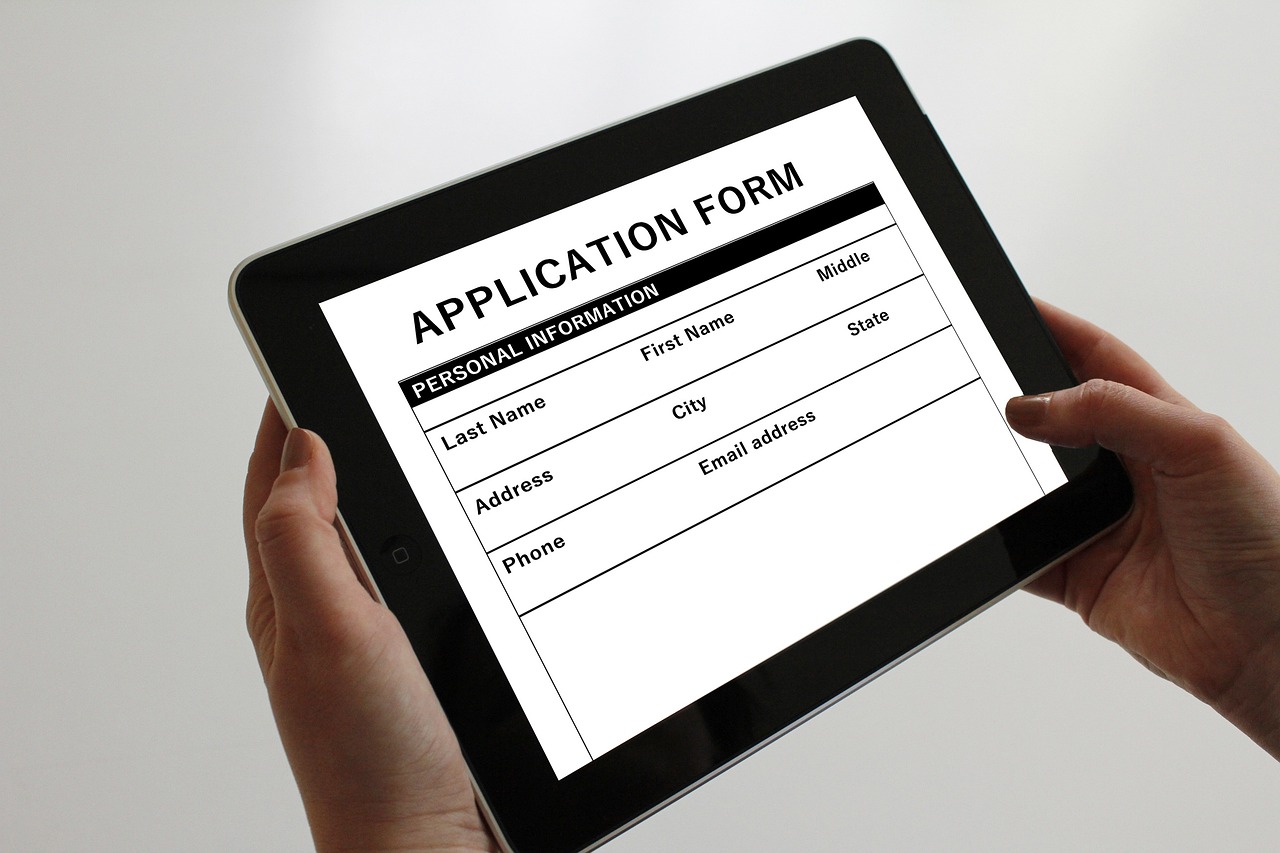
Personal Details (Persönliche Daten)
Usually placed at the top.
Commonly included:
• Full name
• City of residence (street optional)
• Phone number
• Email address
• Nationality (optional but common)
• Date of birth (still common in Germany)
Optional:
• Residence permit status (if relevant and clear)
❌ Not required:
• Marital status
• Religion
• Parents’ information
Professional Summary (Optional but Useful)
A short factual summary (2–3 lines) works well, especially for graduates.
Focus on:
• Field of study or profession
• Core skills
• Target role
Avoid:
• Buzzwords
• Personal motivation statements
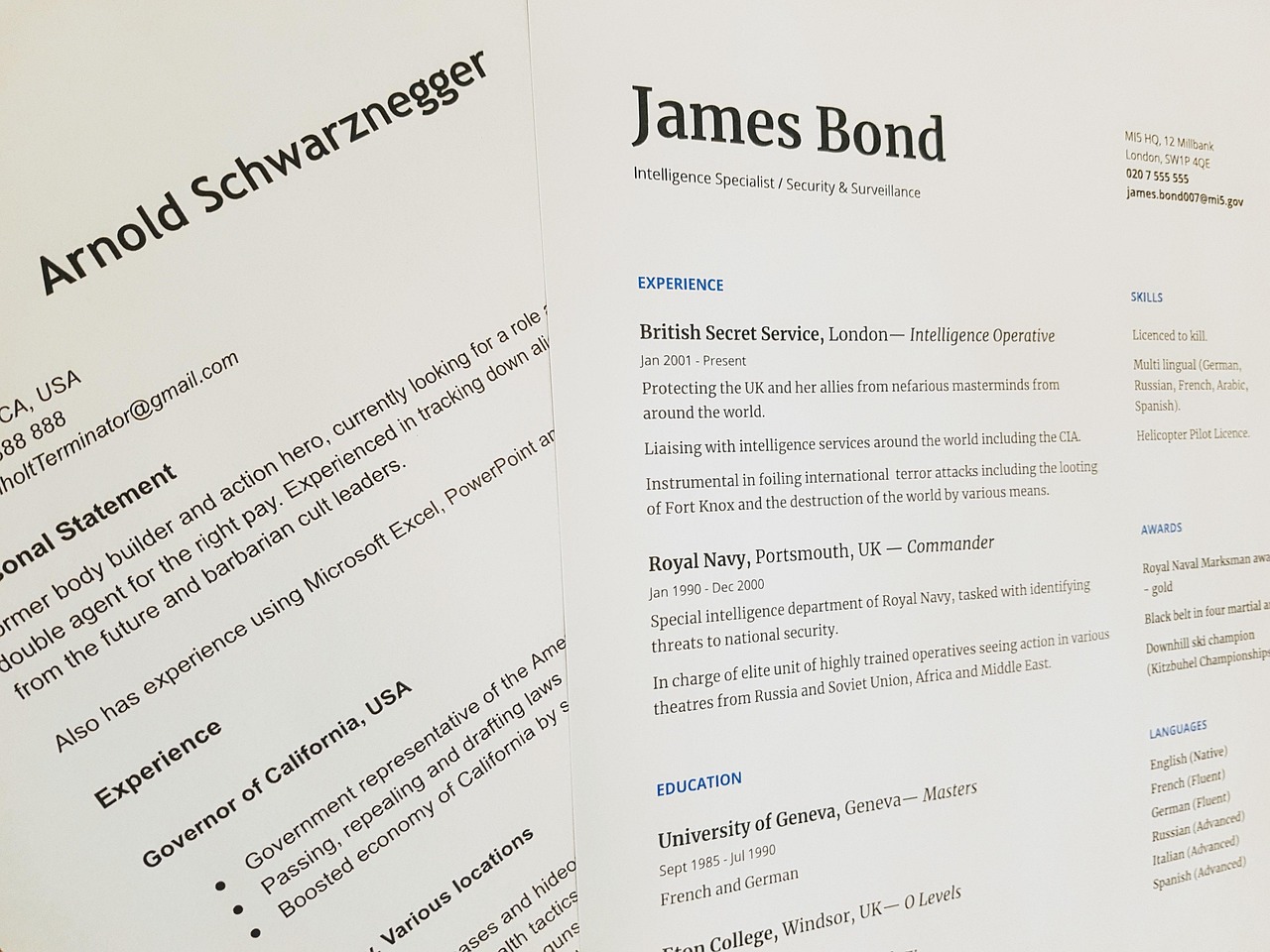
Work Experience (Berufserfahrung)
Reverse chronological order (most recent first).
For each role:
• Job title
• Company name + city
• Employment period (MM/YYYY – MM/YYYY)
• 2–4 bullet points with concrete tasks or results
German employers prefer:
• Clear responsibilities
• Verifiable activities
• No exaggeration
Education (Ausbildung / Studium)
Include:
• Degree name
• University / institution
• Location
• Study period
• Thesis topic (optional but helpful for STEM)
Grades:
• Can be included if strong
• Can be omitted if average or unclear
Skills (Kenntnisse & Fähigkeiten)
Group skills logically.
Typical categories:
• Technical skills
• Software / tools
• Languages
• Certifications
Language levels should be realistic:
• German: A2 / B1 / B2 / C1
• English: fluent / professional working proficiency
Overstating language skills is a common and costly mistake.
Optional Sections
Depending on profile:
• Projects
• Internships
• Publications
• Volunteer work
• Interests (only if relevant and neutral)
The CV Photo: Still Common, Still Sensitive
Germany still uses CV photos more often than many other countries, but it is optional.
If you include one:
• Professional headshot
• Neutral background
• Formal or business-casual clothing
❌ Avoid:
• Casual selfies
• Heavy filters
• Vacation photos
Formatting Rules
German CVs favor:
• Clean layout
• Consistent spacing
• Simple fonts (Arial, Calibri, Helvetica)
• PDF format only
Avoid:
• Infographics
• Skill bars
• Multiple colors
• Creative layouts (unless explicitly requested)
Common Mistakes That Lead to Rejection
Mixing CV Styles
Combining:
• Anglo-American resume style
• Creative portfolio layout
• German structure
→ Often results in confusion and rejection.
Being Vague
Statements like:
“Responsible for various tasks”
Are much weaker than:
“Supported data analysis and reporting using Excel and Python”
Inconsistent Dates
Gaps are acceptable.
Unclear timelines are not.
Always ensure:
• No overlapping periods
• Clear month/year format

Tailoring Your CV for German Employers
Adjust, Don’t Rewrite
For each application:
• Align job title wording
• Reorder skill sections
• Highlight relevant experience first
Do not create entirely new CVs each time.
Language Strategy
• Job ad in German → CV in German
• Job ad in English → English CV acceptable
Mixed-language CVs are a red flag.
Reality Check
A German-style CV does not make you “stand out” visually.
It makes you understandable, comparable, and trustworthy.
For many international applicants, correct structure matters more than perfect content.