
What International Students Should Know Early
Many international students come to Germany for study, but later consider staying long-term. Germany offers clear legal pathways from student status to permanent residency and eventually citizenship—but these paths require planning, patience, and meeting specific requirements.
This guide provides a practical overview of permanent residence and naturalization, with a focus on what students should understand before they graduate.
Permanent Residency vs. Citizenship — What’s the Difference?
Permanent Residency (Niederlassungserlaubnis) allows you to:
• Live and work in Germany without time limits
• Change employers freely
• Stay even if you lose a job temporarily
• Travel in and out of Germany easily
However:
• You keep your original citizenship
• You cannot vote in federal elections
• You may lose the status if you leave Germany for too long
German Citizenship (Einbürgerung) gives you:
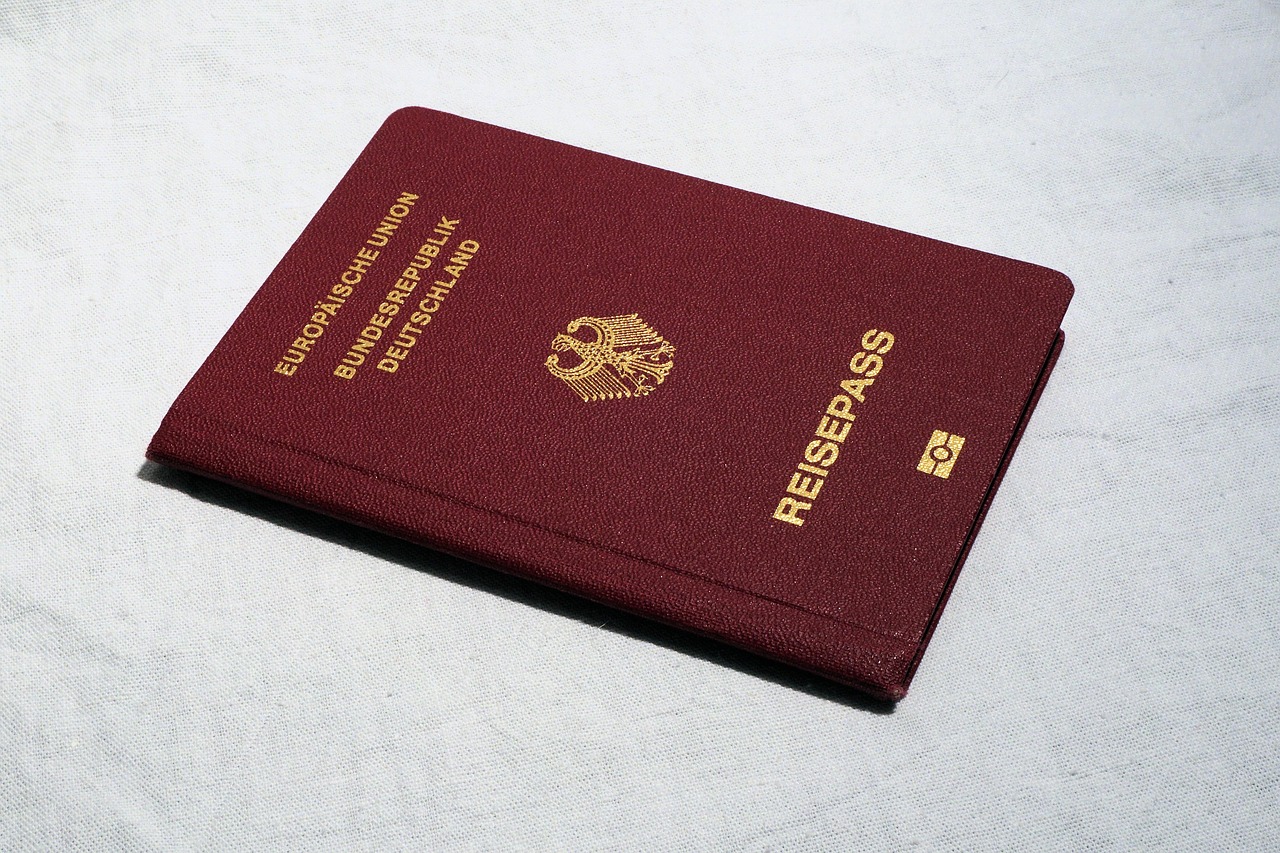
• A German passport
• Full political rights
• EU-wide freedom of movement
• Permanent right of residence without conditions
Citizenship is a later step, usually after permanent residency or long-term residence.
Typical Pathway for International Students
Most international students follow this sequence:
1. Student residence permit
2. Job after graduation
3. Work-based residence permit or EU Blue Card
4. Permanent residency
5. Citizenship (optional)
Studying alone does not count fully toward permanent residency, but it does help reduce timelines later.
Permanent Residency: Basic Requirements
For most graduates, permanent residency requires:
• Several years of legal residence in Germany
• A valid work-based residence permit or EU Blue Card
• Secure income (no reliance on social welfare)
• Payment into the German pension system
• Sufficient living space
• Basic German language skills
• Basic knowledge of German law and society
The exact timeline depends on your residence title.
Shorter Routes for Graduates & Blue Card Holders
Germany offers accelerated pathways:
• EU Blue Card holders may qualify faster
• German university graduates often need fewer years
• Higher German language levels can shorten timelines
Language level matters:
• Lower level = longer waiting time
• Higher level = faster eligibility
This is why learning German early has direct legal benefits, not just social ones.
Language Requirements — More Important Than Many Expect
Language is a key factor in both permanent residency and citizenship.
Typical expectations:
• Permanent residency: basic to intermediate German
• Citizenship: stronger language skills required
Certificates from recognized institutions are usually required.
Students who delay language learning often face unnecessary delays later—even with good jobs.

Naturalization (German Citizenship) — General Overview
Citizenship usually requires:
• Long-term legal residence in Germany
• Secure income
• Clean criminal record
• Sufficient German language skills
• Knowledge of Germany’s legal and social system
• Commitment to the German constitutional order
Germany has been gradually modernizing its citizenship laws, making naturalization more accessible, but requirements still apply.
Dual Citizenship — A Changing Topic
Whether you can keep your original citizenship depends on:
• Your home country’s laws
• German regulations at the time of application
This area changes over time and should always be checked close to application, not years in advance.
Common Mistakes Students Make
• Assuming student years fully count toward permanent residency
• Ignoring language learning until after graduation
• Choosing jobs that do not meet residence permit requirements
• Leaving Germany for long periods without checking consequences
• Waiting too long to plan legal status transitions
Early awareness prevents stressful situations later.

What Students Should Plan Ahead
If you are still studying, the most important long-term steps are:
• Learn German consistently
• Choose degree programs with realistic job prospects
• Understand which jobs qualify for residence permits
• Keep documents and records organized
• Avoid long, unreported gaps in legal residence
Permanent residency and citizenship are not automatic, but they are achievable with planning.
(Image keywords: germany passport residence future)
Final Note
Germany’s residence and citizenship system is structured, rule-based, and transparent—but it rewards preparation.
For international students, the smartest approach is not to decide everything now, but to build options through language skills, legal employment, and continuous residence.
Thinking ahead during your studies can save years later.