
A Practical Guide for Students and New Residents
Sending letters and parcels in Germany is generally reliable, but the system can feel confusing at first—especially with different providers, label types, and drop-off locations.
This guide explains how Deutsche Post, DHL, and Hermes work, when to use each service, and how to avoid common beginner mistakes.
Deutsche Post vs DHL vs Hermes — What’s the Difference?
Although the names are often used interchangeably, they serve different purposes:
Deutsche Post
• Primarily for letters and documents
• Used for official mail, contracts, bank letters, and forms
• Offers standard letters, registered mail (Einschreiben), and international letters
DHL
• Main provider for parcels and packages
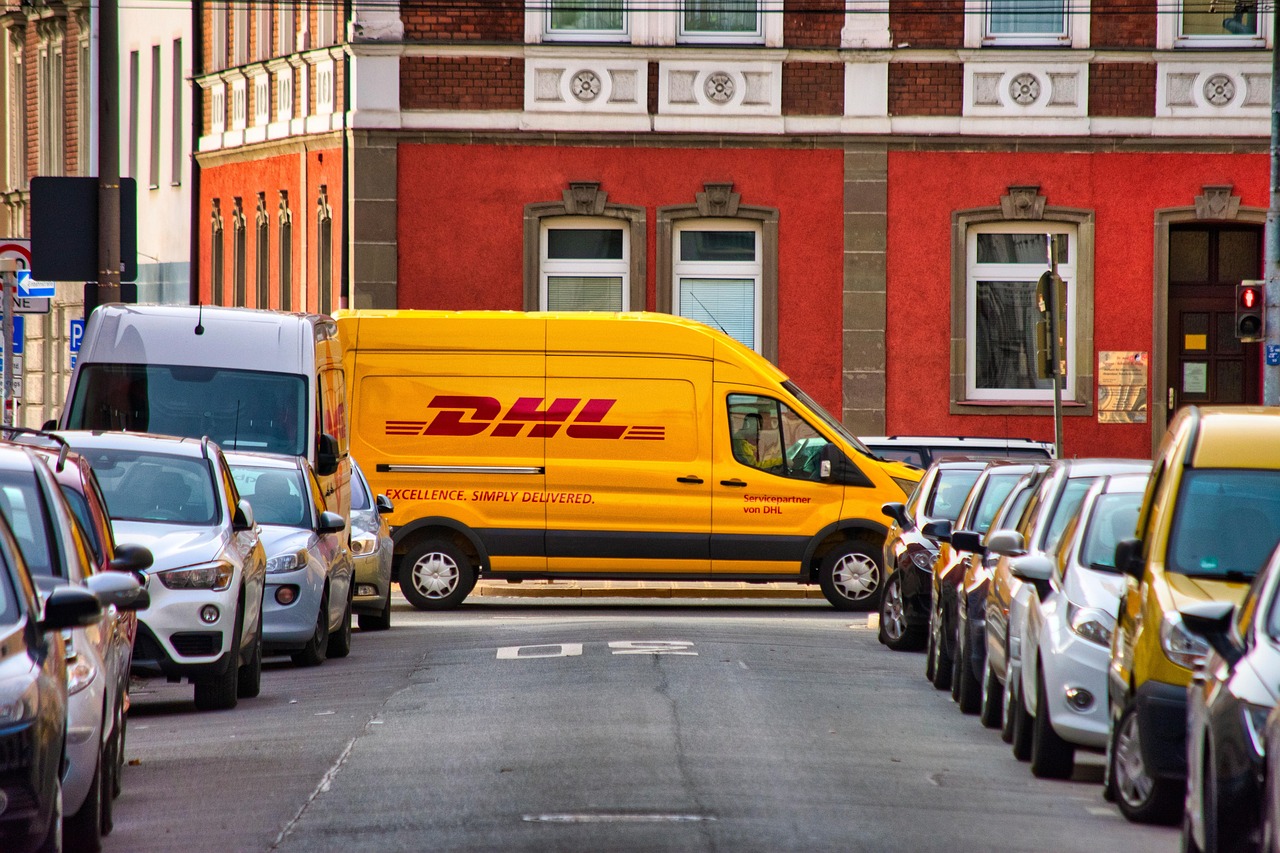
• Operates Packstations, Paketshops, and home delivery
• Most commonly used for online shopping and international shipping
Hermes
• Parcel service mainly used by private sellers and online platforms
• Often cheaper for large but non-urgent packages
• Slower than DHL in many regions
Rule of thumb:
• Documents → Deutsche Post
• Parcels, online orders → DHL
• Second-hand sales or bulky items → Hermes
Sending Letters in Germany (Deutsche Post)
To send a letter, you need:
• Correct envelope size
• Proper postage (stamp or online label)
• Correct address format
Common letter types:
• Standard letter (Standardbrief)
• Large letter (Großbrief)
• Registered letter (Einschreiben) — recommended for important documents
Important tip:
For immigration offices, banks, or universities, registered mail is often recommended as proof of sending.
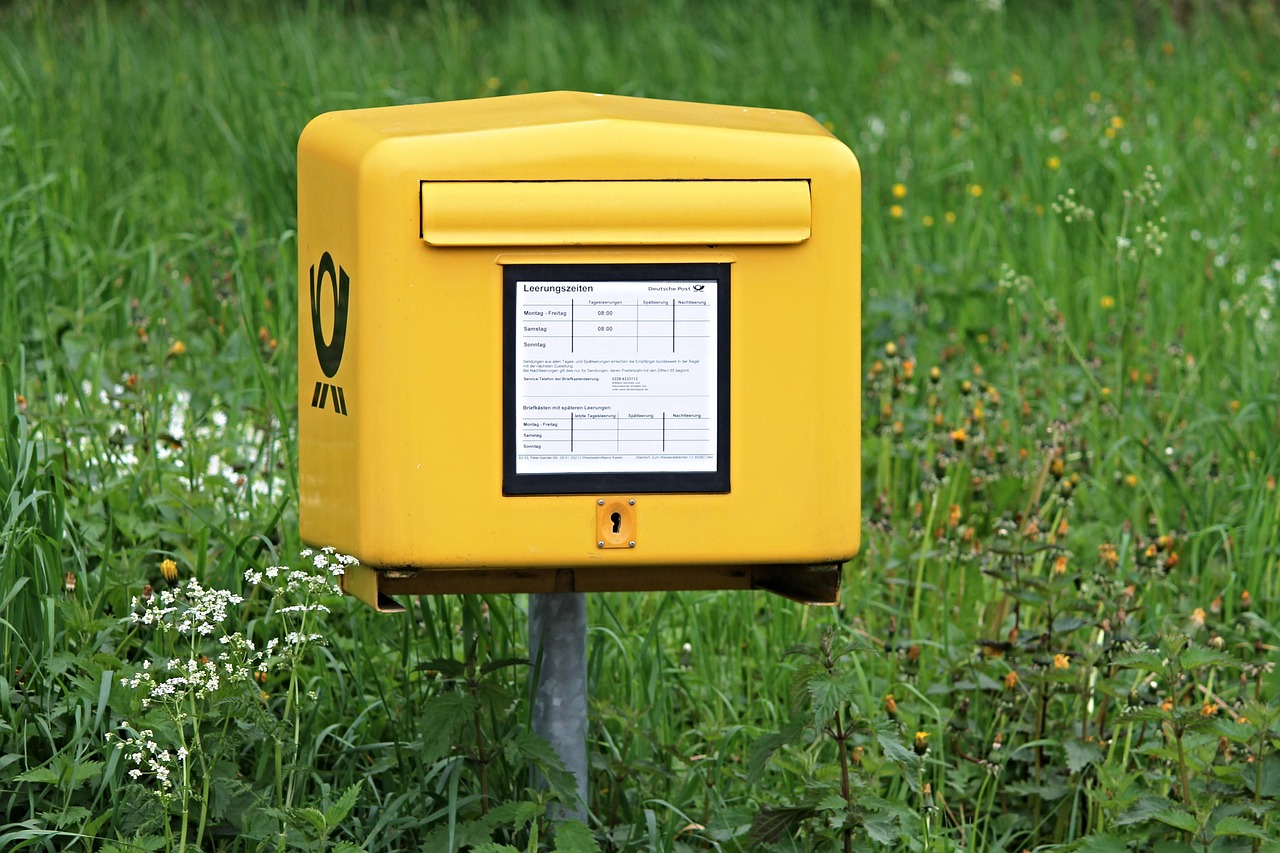
Letters can be dropped into yellow mailboxes found throughout cities.
Sending Packages with DHL
DHL is the most student-friendly parcel service.
You can send a parcel in three main ways:
• Online label (printed at home)
• QR code label (printed at a DHL shop)
• In-store label (slightly more expensive)
Package sizes matter. Prices depend on:
• Size category
• Weight
• Domestic vs international destination
Drop-off locations:
• DHL Paketshop (inside kiosks, shops)
• DHL Packstation
• DHL service center
Using DHL Packstation (Very Important for Students)
Packstations are automated lockers available 24/7.
What you need:
• DHL account
• German phone number
• Identity verification (PostIdent or app verification)
What Packstations are good for:
• Receiving parcels when you’re not home
• Sending parcels without human interaction
Common mistake:
Trying to use Packstation without full verification — your parcel will be rejected.
(Image keywords: dhl packstation germany)
Sending Packages with Hermes
Hermes is often used for:
• eBay Kleinanzeigen sales
• Non-urgent, larger packages
Key differences from DHL:
• Slower delivery
• Fewer lockers
• Usually cheaper for large parcels
Hermes labels are usually created online, then dropped off at Hermes PaketShops.
Good choice if:
• Speed is not critical
• Package is large and lightweight
Address Format in Germany (Very Important)
German addresses follow a strict format:
Recipient Name
Street Name + House Number
Postal Code + City
Germany
Common beginner error:
Placing the house number before the street name — this can delay delivery.
Tracking, Missed Delivery & Pick-Up
If you are not home:
• DHL usually leaves a pickup notice
• Parcel can be collected from a nearby shop
• ID is required for pickup
Tracking numbers are reliable and should always be saved.
Tip:
If your name is not on the mailbox, deliveries may fail.
International Shipping Tips
When sending items abroad:
• Customs forms may be required
• Contents must be declared honestly
• Delivery times vary widely
For important documents:
• Use tracked or registered services only
Common Mistakes to Avoid
• Using the wrong service for letters vs parcels
• Forgetting to include your name on the mailbox
• Sending official documents without tracking
• Exceeding size limits for the chosen parcel category
These mistakes can lead to lost mail or extra fees.

Final Advice
Germany’s postal system is efficient but rule-based. Once you understand which provider to use and how labels work, sending mail becomes straightforward.
For students, learning how to use Deutsche Post and DHL correctly is essential for dealing with universities, immigration offices, banks, and daily life.