Germany’s pharmacy system can feel strict and confusing to international students, especially if you’re used to buying medication freely in other countries.
This guide explains how German pharmacies (Apotheken) work, the difference between prescription and over-the-counter medicines, and how insurance covers your medication costs.
How Pharmacies Work in Germany
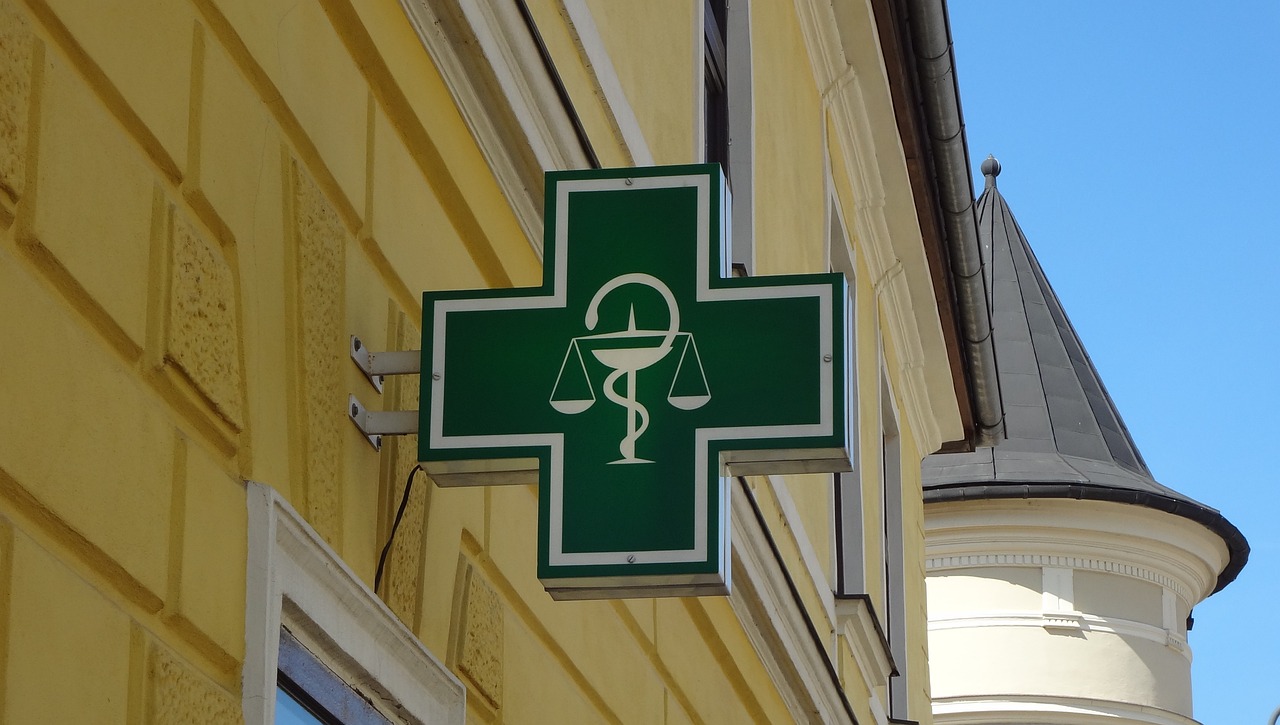
In Germany, medication is only sold through pharmacies (Apotheken)—not in supermarkets or convenience stores.
Inside a pharmacy, you will find:
• Prescription medicines
• Over-the-counter medicines (OTC)
• First-aid supplies
• Medical creams and ointments
• Basic vitamins
• Some wellness products
Important:
Only trained pharmacists are allowed to handle medicine.
This means even OTC medicines must be requested at the counter.
Types of Medicine: Prescription vs. Over-the-Counter
A) Prescription Medicines (Rezeptpflichtig)
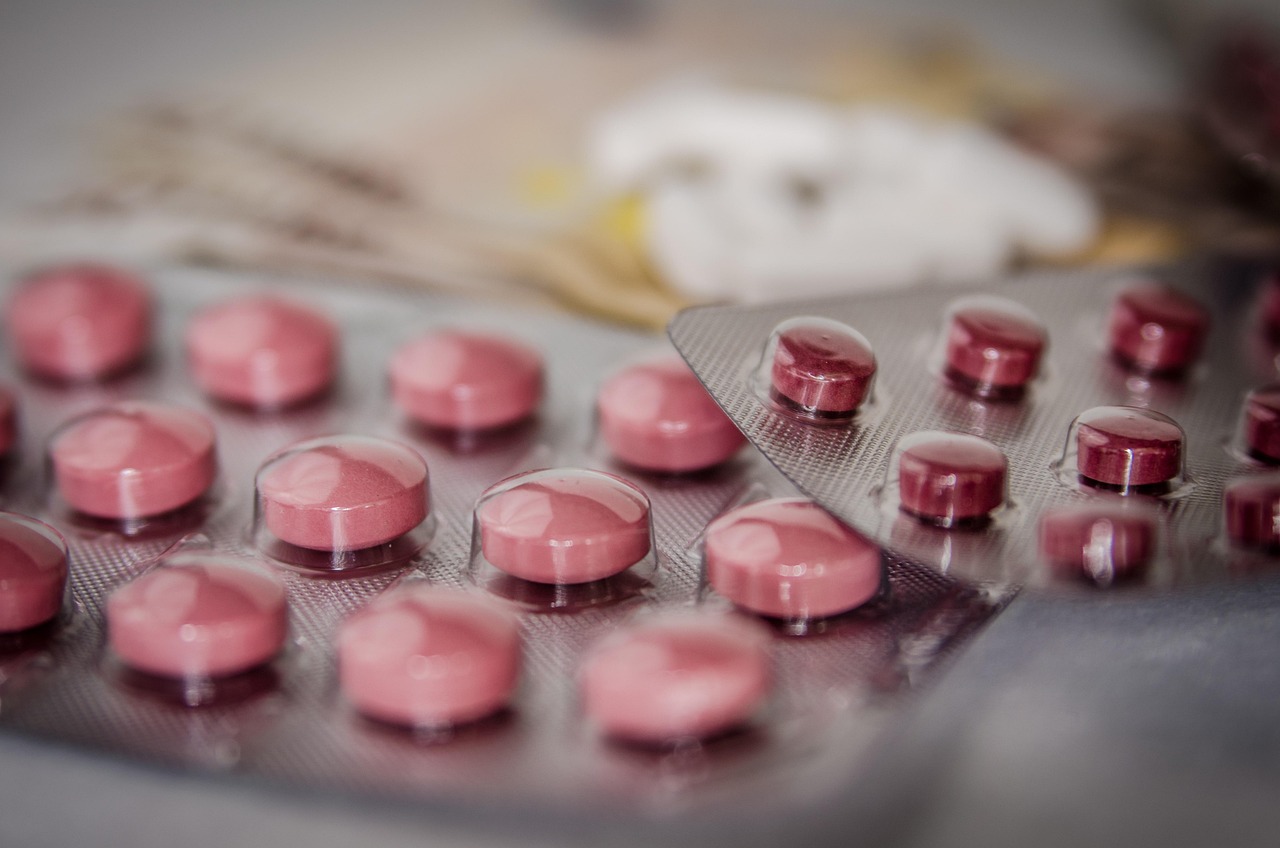
These require a doctor’s prescription.
Used for:
• Antibiotics
• Strong painkillers
• Birth control pills
• Mental health medications
• Strong allergy medications
• Chronic disease treatments
You cannot buy these without a valid prescription.
B) Over-the-Counter Medicines (Rezeptfrei)
Available without a prescription, including:
• Ibuprofen
• Paracetamol
• Cough syrup
• Cold/flu medicine
• Antihistamines
• Eye drops
• Nasal sprays
Even though they are OTC, you must still speak to the pharmacist to purchase them.
Using Your Prescription (Rezept)
When a doctor issues a prescription, it may come in different forms:
Types of prescriptions:
• E-Rezept (Electronic Prescription) – most common today
• Pink paper prescription – standard for public insurance
• Blue/Private prescription – for private insurance or self-paid medication
How to fill a prescription:
1. Go to any pharmacy
2. Show your prescription (paper or digital QR code)
3. Pharmacist prepares your medication
4. Pay the required co-payment (if any)
Prescriptions are usually filled on the same day.
If the pharmacy doesn’t have the medicine, they will order it, usually arriving within hours.
How Much Do Medicines Cost?
With public health insurance
Most prescription medicines require a small co-payment:
• Typically €5–€10 per medication
• Sometimes free for certain treatments
• Maximum 10% of the medication price
Over-the-counter medicines
Insurance usually does not cover OTC medicines unless you have:
• A chronic condition
• A special medical exemption
Common prices:
• Ibuprofen: €4–€8
• Cold medicine: €6–€12
• Nasal spray: €3–€7
How to Save Money on Medication
Germany’s pricing system means different pharmacies charge different rates for OTC medicine.
Tips:
• Compare prices between pharmacies
• Use online pharmacies (for OTC only)
• Ask for generic versions of prescription drugs
• Avoid buying unnecessary branded products
Generic vs Brand
Pharmacists almost always offer the generic version first because:
• It works the same
• Costs much less
• Is covered by public insurance
Simply say:
“Ich hätte gern die günstigere Variante.”
(I would like the cheaper version.)
Pharmacy Hours & Emergency Services
Most pharmacies close at:
• 18:00 on weekdays
• 13:00 on Saturdays
• Closed on Sundays
But Germany has a rotating emergency pharmacy service (Notdienst).
When you need medicine at night:
Search “Apotheke Notdienst + your city”
or check signs posted on any pharmacy door.
These emergency pharmacies are open 24/7 but may charge a small service fee.

Common Questions from Students
1.Can I buy antibiotics without a prescription?
No — never. Antibiotics always require a prescription.
2.Can I get birth control from a pharmacy?
Yes, but only with a prescription from a gynecologist or Hausarzt.
3.Can I use prescriptions from my home country?
Usually no. German pharmacies require German-issued prescriptions.
4.What if I lose my prescription?
Contact the clinic that issued it.
For an E-Rezept, doctors can re-send it electronically.

What About Drugstores (dm, Rossmann)?
Drugstores sell:
• Vitamins
• Skincare
• Basic wound care
• Shampoo & cosmetics
• Herbal teas
But they do not sell real medicine.
Always use a pharmacy for anything medical.
Summary
Germany’s medication system is strict but safe.
Pharmacies handle all medicine sales, doctors issue prescriptions, and public insurance covers most essential medications with small co-payments.
By understanding how prescriptions work and knowing where to buy what, students can navigate the healthcare system confidently and avoid unnecessary expenses.