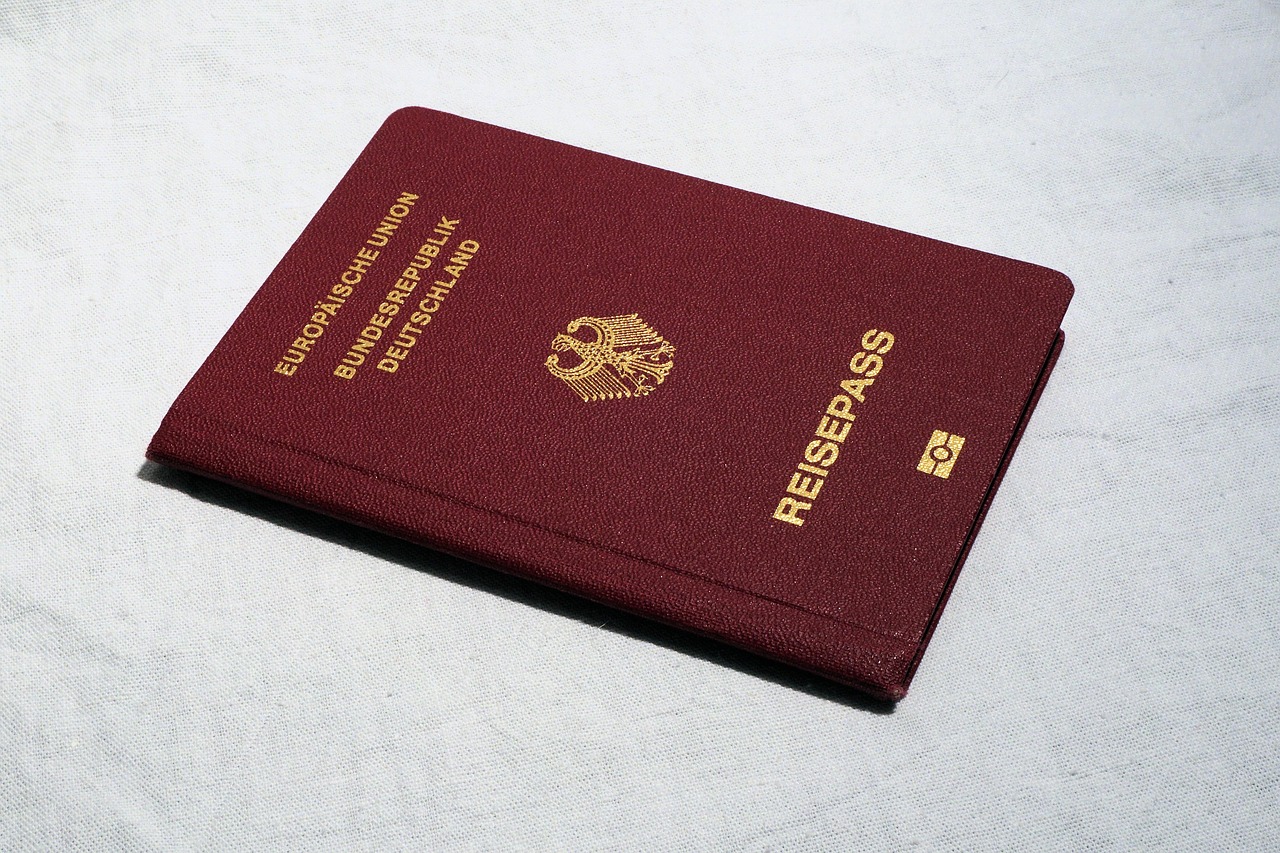
A residence permit is required for non-EU students who plan to stay in Germany beyond the validity of their entry visa or long-stay national visa. This guide explains how the process works, required documentation, appointment procedures at the Ausländerbehörde, and important timing rules that many students misunderstand.
Understanding the Student Residence Permit
The student residence permit (Aufenthaltserlaubnis zum Zweck des Studiums) is issued by the local Ausländerbehörde responsible for the registered address. It is required after the initial national visa expires.
When to Apply
residence permit application can only be submitted once all essential documents are available, including:
• Completed Anmeldung (address registration)
• Valid health insurance confirmation
• Matriculation or enrollment certificate
These items form the minimum basis for submitting an application.
Most Ausländerbehörden accept applications up to three months before the expiry of the current national visa. Because appointment availability varies widely across cities, especially in large metropolitan areas, securing an appointment as early as the permitted window allows is strongly advised.
However, submitting an application too early can lead to refusal. German authorities generally process residence permit applications only when the existing visa is approaching expiration. Applications may be rejected if the current visa:
• remains valid for many additional months, or
• extends far into the following year.
In such cases, applicants are often instructed to return approximately 2–3 months before the visa expires, which is considered the appropriate timeframe for processing. This does not negatively affect the immigration record and is treated as standard procedure.
Some local offices strictly follow this rule and decline applications for students whose national visa remains valid until late summer (e.g., September), advising them to reapply in early summer (June–July) instead.
For this reason, the recommended approach is:
• ensure all documentation is complete as early as possible
• monitor the permitted application window of the local Ausländerbehörde
• avoid attempting to submit the application significantly earlier than the accepted timeframe

Required Documents
Standard documents include:
• Passport
• Biometric photo
• Enrollment certificate (Immatrikulationsbescheinigung)
• Proof of health insurance
• Proof of financial resources
• Meldebescheinigung (registration certificate)
• Completed application form
• Current visa/residence permit
• Study progress proof (requested in many cities)

Booking an Appointment at the Ausländerbehörde
Appointment systems vary by city.
Common methods:
• Online booking portals
• Email submission with scanned documents
• Document upload platforms
• Occasional walk-in hours in smaller towns
If appointments are unavailable:
• Check early morning or late evening
• Send complete documents via email
• Request a temporary permit (Fiktionsbescheinigung)
Processing Times
Typical processing duration:
• Small towns: 1–3 weeks
• Mid-sized cities: 4–8 weeks
• Major cities: 8–16+ weeks
A Fiktionsbescheinigung may be issued to extend legal stay during processing.
Fees
• First permit: €100
• Renewal: €93
• Temporary permit: €13–€50
Payments are usually made by EC card.
Common Challenges and Solutions
A. Application submitted too early
Many students are surprised when the office refuses to accept the application because the current visa is still valid for many months.
Solution:
Apply no earlier than 2–3 months before visa expiry, unless the local authority specifically allows earlier filing.
⸻
B. Difficulty booking appointments
High-demand cities may show “no appointments available” for weeks.
Solution:
Email submission or requesting a Fiktionsbescheinigung is widely accepted.
⸻
C. Financial proof problems
Blocked account amounts change every year; outdated documentation causes delays.
⸻
D. Health insurance issues
Students must maintain continuous, valid insurance. Public insurers provide required confirmation letters.
⸻
E. Study progress checks
Renewals often require proof of academic progress, especially after the second year.

Summary
The residence permit process requires careful timing, correct documentation, and awareness of local Ausländerbehörde rules. Applying too early can lead to rejection, while applying too late can create legal risks. Understanding these nuances ensures a smooth transition from the national visa to a full study residence permit.