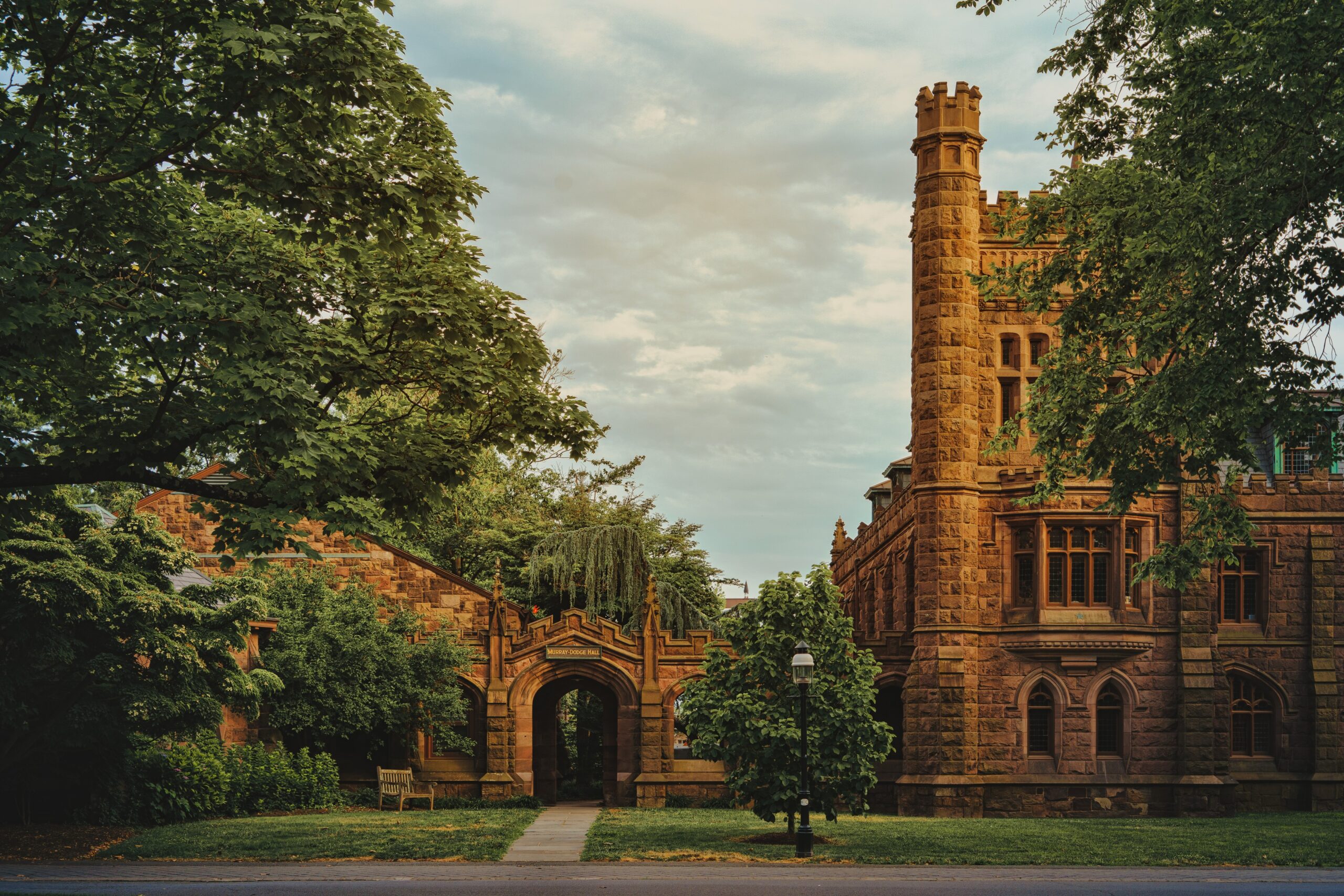
This guide explains the three main types of institutions, how degree programs are structured, what academic expectations look like, and why Germany’s higher education system is internationally respected.

Types of Higher Education Institutions in Germany
Germany has three main types of higher education institutions. They all award recognized degrees, but their teaching styles and goals differ significantly.

1) Universitäten (Research Universities)
These are traditional, research-oriented universities offering bachelor’s, master’s, and PhD programs.
Characteristics:
• Strong focus on theory and academic research
• More flexible course selection
• Suitable for students who want master’s or PhD
• Degrees often internationally recognized
Good for:
STEM, humanities, social sciences, law, medicine, natural sciences, research careers.
2) Fachhochschulen (Universities of Applied Sciences)
Often abbreviated as FH or Hochschule. These institutions are more practical and industry-focused.
Characteristics:
• Hands-on courses
• Strong connections with companies
• Mandatory internships in many programs
• Smaller classes
• Less research, more application-oriented
Good for:
Engineering, business, computer science, design, applied sciences.
VERY IMPORTANT:
If you plan to pursue a PhD, note that FH graduates may need to cooperate with a university or meet additional academic requirements, depending on federal state regulations.


3) Private Universities
Private universities have become more common but vary greatly in quality.
Characteristics:
• Higher tuition fees (€5,000–€20,000 per year)
• Smaller classes, more personalised support
• Often business- or management-focused
• Some degrees may be less recognized internationally
• Must be state-accredited (⚠ check this!)
Common Pitfall:
Do not assume “private = better.” In Germany, many public universities have stronger academic reputations and research output.
Degree Structure (Bologna System)
Germany follows the Bologna Process, meaning degrees are standardized across much of Europe.
• Bachelor (3 years / 6 semesters)
• Master (2 years / 4 semesters)
• PhD (usually 3–5 years, primarily research-based and not always structured like coursework programs)
ECTS Credits
• 1 academic year = 60 credits
• Bachelor = 180 credits
• Master = 120 credits
Modular Structure
Programs are divided into modules. Each module usually ends with:
• written exams (Klausuren)
• presentations
• term papers (Hausarbeiten)
• portfolios or lab reports
Academic Expectations in German Universities
Self-Study Is Essential
Students are expected to study independently and manage their own learning progress. Continuous supervision is limited compared to many other systems.
Lecture Attendance
In many programs, lecture attendance is not strictly monitored, but participation may be mandatory in seminars or practical courses. Skipping lectures can significantly increase exam difficulty.
Exams Are Concept-Focused
Klausuren typically test deep understanding and application of knowledge rather than memorization.
Professional Communication
Professors expect formal emails, punctuality, and respectful communication.
VERY IMPORTANT:
Many programs limit the number of exam attempts (commonly three per module). Failing the final permitted attempt may result in permanent exclusion from that program nationwide in the same subject area. Regulations vary by university.

Teaching Styles
Lectures (Vorlesungen)
Large, theory-focused sessions.
Seminars (Seminare)
Smaller groups with discussions and presentations. Participation often affects grading.
Exercises / Tutorials (Übungen / Tutorien)
Instructor- or assistant-led problem-solving sessions, especially common in STEM programs.
Practicals (Praktika / Lab Work)
Required in subjects such as engineering, biology, chemistry, or physics.
TIP:
Seminars often require a graded term paper. Start early and follow strict academic citation rules.
Recognition and International Reputation
German degrees are internationally respected because:
• strong public institutions
• rigorous academic standards
• research output
• industry cooperation
Highly regarded fields include engineering, computer science, physics, business, and environmental sciences.
Common Misunderstandings
Misunderstanding 1: “FH degrees are less valuable.”
Not necessarily. Many industries, particularly engineering and IT, value FH graduates for their practical training.
Misunderstanding 2: “Universities guide you step-by-step.”
German universities expect a high level of self-organization. Students are responsible for planning courses, registering for exams, and meeting deadlines independently.
Misunderstanding 3: “Private universities guarantee jobs.”
No. While some offer strong networking opportunities, employment outcomes depend on individual performance, field of study, and market demand.

Related Guides
Summary
Germany’s university system is diverse and flexible.
Choose based on:
• career goals
• academic interests
• desire for research vs practical work
• long-term plans (PhD? industry job?)
• budget and location
Understanding the differences between Universität, Fachhochschule, and private institutions will help you make informed decisions and avoid costly mistakes later.